

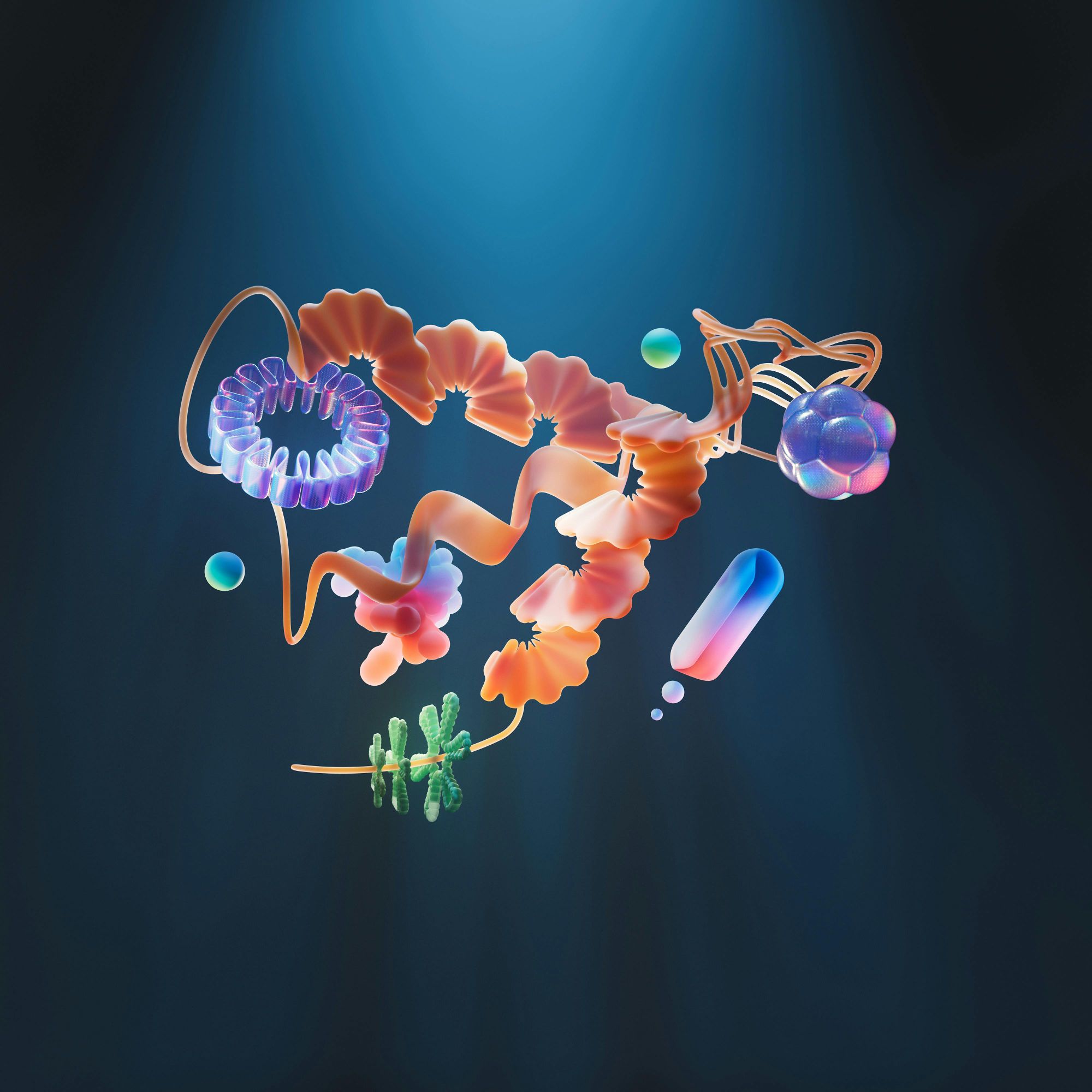
Deoxyribonucleic acid, or DNA—indeed a molecule life itself is founded on—is but a ‘blueprint’ for life itself. DNA is the molecule carrying the genetic code for the development and reproduction of all living things. It is the most complex molecule, which forms the very heart of biological identity and a depository of evolutionary history and biological potential. Along the way, technological advances and research breakthroughs have resulted in the continued enrichment of the knowledge about the DNA subject. Hence, this all-round review will be undertaken on the structure, significance, and recent achievements in DNA research, concerning its application in healthcare, synthetic biology, and more fields.
The Architecture of DNA: More Than a Double Helix
DNA’s famous double-helix shape, which James Watson and Francis Crick discovered in 1953, is a result of two strands twisting around each other, being set in place by the complementary base pairing. Adenine (A) pairs with thymine (T), and guanine (G) pairs with cytosine (C), thus creating a ladder-like structure among the strands of DNA. This structure ensures that genetic information is replicated correctly during cell division.
Nevertheless, the current literature establishes that DNA is much more dynamic than only its double-helix shape. DNA has also been described as a molecule having shapes such as loops and bends as well as supercoils existing as three-dimensional configurations. Finally, G-quadruplexes—DNA four-strand-specific conformations—take part in gene regulation as well as maintaining chromosomal stability.
All these are the differences in structure included within mechanisms for gene expression and DNA repair and replication.
Revolutionary Tools in DNA Analysis
Artificial Intelligence and DNA Research:
Genomics is now witnessing a new sunrise as AI is used to analyze the DNA. Advanced AI algorithms can now converse with the whole genome by interpreting it, discovering patterns, and predicting functional elements. The latest development that provides researchers with the ability to identify factors regulating cancer, Alzheimer’s, or rare genetic disorders is AI-based predictive modeling. It is applied for mutation identification as well. These instruments are the base for creating new therapeutic targets and hence the advancement of personalized medicine.
Next-Generation Sequencing:
The introduction of NGS has been like a leap in the speed and accuracy of DNA sequencing. NGS, by sequencing millions of DNA fragments at the same time, throws light on the genetic variations. The new techniques that are coming up, like the nanopore sequencing, allow the analysis of long DNA strands in real time, which is crucial for understanding the fundamental structural rearrangements and epigenetic modifications.
Other Key Points/Headings are explained in detail in this ARTICLE on MEDIUM :
Noncoding DNA: The Key to Regulation and Complexity
Circular DNA and Cancer: A Transformative Discovery
DNA Repair Mechanisms: Genomic Integrity Guardians
Synthetic Biology and DNA Engineering
The Epigenetic Frontier
DNA Sequencing in Evolutionary Biology and Forensics
Ethical and Societal Considerations
Or just click here to read the Article in detail
To read earning, business or passive income related Articles check out https://smartincomehustle.com/
Here are some articles


Leave a Reply