


Mobile Payments: Learn how simple FinTech apps will guide spending, security, and digital money by 2030
The way we use money now is changing faster than ever.
From cash to cards and now to mobile payments, technology has changed our mobile phones into digital wallets.
By 2030, the world of money will look very different, thanks to FinTech apps that have made payments faster, safer, and more personal.
These apps are not just changing how we buy things but also changing how we save, invest and manage money.
As digital finance grows, understanding mobile payments is key to seeing the future of our financial lives.
What Are Mobile Payments

Mobile Payments means to use your mobile phone to pay for goods and services, instead of carrying cash or swiping a card.
You can instantly pay using apps like Apple Pay, Google Pay or PayPal.
There are several types of mobile payments listed below:
▪️Mobile Wallets: Apps such as Apple Pay, Google Pay, and Samsung Pay securely store your credit card, debit card, and bank account details, enabling contactless payments via near-field communication (NFC).
▪️QR Code Payments: Users can scan the QR code displayed by merchants on invoices to make payments via popular apps like Venmo, PayPal and WeChat Pay.
▪️Peer-to-Peer (P2P) Payments: P2P payments allow users to send money directly through apps like Venmo, Zelle or PayPal. These apps allow individuals to repay others, split bills, or make any personal transactions without the need for cash or checks.
▪️In-App Payments: Payments are completed directly through mobile apps with just a few taps without redirecting to external sites or physical cards. These service is mostly used for paying for food, rides or products inside apps such as Amazon or Uber.
▪️Mobile Point of Sale (mPOS): This system allows users to use a mobile phone or a tablet as a portable terminal to accept card payments on the go, turning a mobile phone into a payment processor.
▪️SMS Payments: SMS payments allow users to send and receive text messages to make or confirm a payment. These payments are billed directly to the user’s mobile carrier account or deducted from the linked payment method. It is widely used for charitable donations and digital payments to something such as app credits and transit and parking payments.
Mobile Payments Market Growth
The global mobile payment market was $88.5 billion in 2024 and is expected to reach around $587.52 billion by 2030, growing at a CAGR of 38.0%.

Key Growth of Mobile Payment
▪️Contactless culture: The Covid-19 pandemic has made touch-free payments more popular.
▪️Increasing use of smartphones: The widespread availability and affordability of smartphones with better mobile internet connectivity (4G, 5G) have enabled more people globally to access mobile payment services easily.
▪️Expansion of E-commerce: The rapid growth of online shopping has become a convenient and quick source for individuals, pushing mobile payments as a preferred choice.
▪️Advancements in Payment Technology: Innovations such as contactless (NFC) payments, QR code payments, biometric authentication, blockchain, and offer security, speed, and convenience; all these technologies boost trust in using mobile payments.
▪️Government support for digital payment: Many governments are now promoting digital payment ecosystems via supportive policies, incentives, and infrastructure investments.

What is FinTech and Why It Matters

FinTech (Financial Technology) means the use of technology to improve and automate financial services easily.
It has the ability to enhance mobile banking, cryptocurrency trading, investment platforms and budgeting apps.
FinTech has made money management simple, cheaper and smarter and it helps small businesses to accept payments easily and quickly, helps individuals track spending and even supports global trade through instant digital transfers.
Key Trends in a FinTech App

▪️Embedded Finance: Financial services now seem to turn into a seamless everyday apps and platforms that make payments and banking easy and fuss-free.
▪️AI and Hyper-Personalization: FinTech apps use AI that provides personalized financial advice, detects fraud in real-time and customizes investment and budgeting tools for users.
▪️Real-Time Payments: Instant payment has now become standard, enabling faster and more efficient transactions.
▪️Open Banking & API Monetization: Fintech apps influence open banking to access richer financial data securely, which creates more innovative and competitive products.
▪️Security and Identity Verification: Apps use individuals’ data and passkeys to make sure it is secure, provide frictionless user authentication and prevent fraud.
▪️AI-Powered Customer Support: FinTech apps use AI chatbots and virtual assistants to provide 24/7 instant help, to manage complex queries and to offer personalized support experiences.
Some Popular FinTech Apps Shaping the Future of Finance
1. Stripe

Stripe is a worldwide digital payment method that offers financial infrastructure, stablecoin wallet services, global online payment methods and developer-friendly APIs to simplify online payments and scale businesses.
2. Google Pay
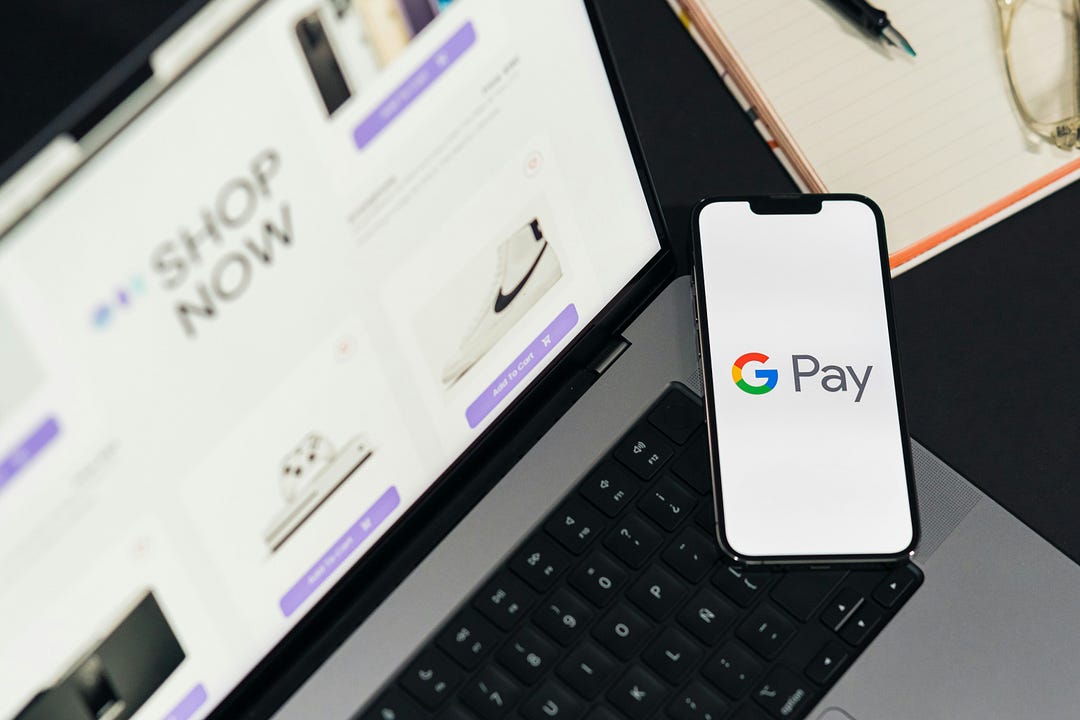
Google Pay has evolved and now offers multifunctional payment methods, peer-to-peer transfers, online checkouts, and in-store payments. It integrates with Android devices for fast and secure payments.
3. Nubank

Nubank has over 122 million customers across Mexico, Brazil and Colombia. It is one of the largest digital finance services in the world, which offers no-fee accounts, fast transfers and an interface that simplifies financial management.
4. Venmo

Venmo, owned by PayPal, is a widely used for peer-to-peer payment service with social media features that transfers and receives money.
5. PayPal

PayPal has 430 million users and remains one of the most recognized apps in digital payments. This platform now allows cryptocurrency transactions, peer-to-peer transfers and buy-now-pay-later services.
6. Revolut

Revolut is serving over 50 million users across multiple countries, offering multi-currency accounts, international money transfers, crypto trading, and budgeting tools.
7. Chime

Chime is one of the most widely used mobile payment apps in the US, which offers no monthly fees, early direct deposit and automatic savings features.
8. Robinhood
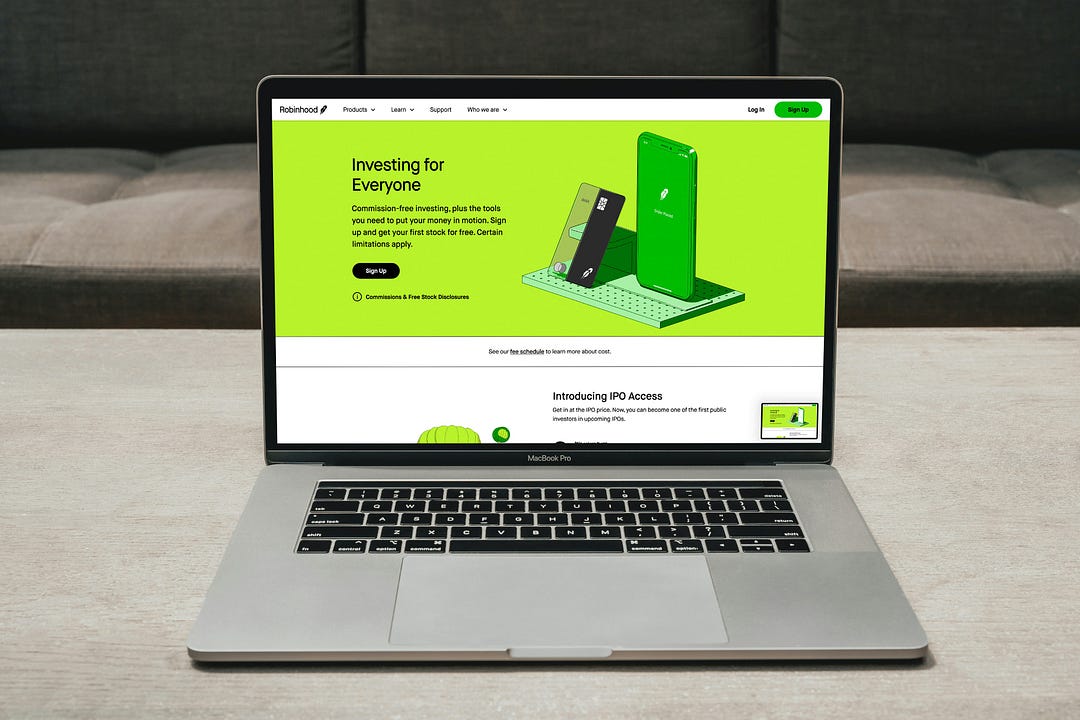
Robinhood, with 26.7 million users, allows individuals to access public markets. It offers commission-free stock, exchange-traded funds and crypto trading tailored to millennial and Gen Z investors.
9. MoneyLion

MoneyLion has over 18M customers, provides mobile banking, credit-building loans, investment tools and financial education with a freemium subscription model.
The Impact on Traditional Banks

Traditional banks are under pressure to adapt to these new innovations, now with the rise of fintech, customers expect more convenience, lower fees and faster services.
Banks are now partnering with or creating their own fintech solution to stay competitive in the market.
FinTech apps seem to move faster than banks and offer features that attract younger generations.
By 2030, maybe we will see fewer physical bank branches and more digital-only financial ecosystems.
Security and Privacy Challenges

As mobile payments are rising, so as concerns about security and privacy also rising.
The most important points of security and privacy challenges in fintech are:
▪️Cybersecurity Threats: Increasingly attacks such as ransomware, phishing, and AI-powered social engineering threaten customer data and trust.
▪️Data Protection: Safeguarding sensitive customer info from breaches and leaks is crucial.
▪️Regulations: Companies must adhere to strict laws on data usage and breach reporting.
▪️Identity Fraud: The rise of identity theft has led to the need for strong multi-factor authentication and real-time fraud detection.
▪️Third-Party Risk: Dependence on outside companies can expand security problems or mistakes; it must be carefully checked and managed properly.
Looking Ahead: The Future of Money by 2030

By 2030, we will see that the future of money will become completely digital and fintech apps will become the main way for people to pay, save and invest.
What we’ll see in the future by 2030:
▪️Universal digital wallets will be accepted worldwide.
▪️Instant and easy global transfers powered by blockchain.
▪️Smarter financial tools that will manage savings automatically.
▪️Central Bank Digital Currencies (CBDCs) will become common.
The world will move towards a cashless society in which mobile payments will connect everyone from cities to remote villages through technology.
Thank you for reading!
If you like my work, you can support me by contributing here 👇
References
https://gem-corp.tech/tech-blogs/top-fintech-apps/#Can_a_Business_Build_Their_Own_Fintech_App
https://www.salesforce.com/commerce/online-payment-solution/mobile-payments
https://www.grandviewresearch.com/industry-analysis/mobile-payments-industry
https://www.miquido.com/blog/fintech-challenges/#8_Vendor_partnerships_and_shared_compliance
https://www.fintechweekly.com/magazine/articles/4-common-cyber-security-challenges-for-fintechs


Leave a Reply