

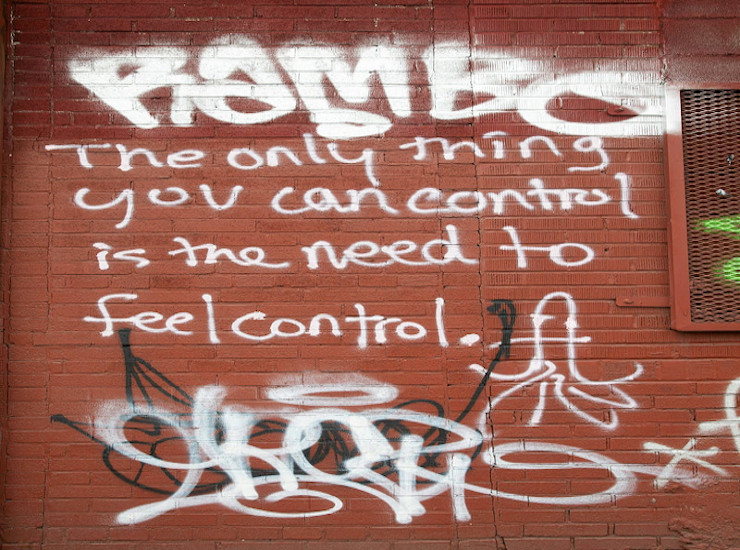
Coercion isn’t normal. Normal control is entirely different. Every human being seeks to control their own lives – to plan and live their lives according to their values, wants, and needs without undue interference that limits their freedom.
This is normal control. As humans, we need to feel a sense of control over our lives. To understand coercion, the focus needs to be on coercion – not control.
To understand coercive control, on the other hand, is to understand how someone controls someone else’s need to control their life. Some harmful relationships start without any signs of obvious abuse.
👇 📚 READ MORE:
🔗 Coercive Control Is About Taking Away Someone Else’s Freedom to Choose and Decide
Control that is coercive can seem confusing and energy-draining. It’s as if you’re free in theory, but not in practice. This is the ugly, insidious nature of coercive control.
Although it primarily occurs in intimate relationships, it can also happen in other situations, such as at work, with family and friends, and in other areas.
It’s insidious in nature. No one physically restrains you, so it’s vital to grasp coercion’s meaning and focus on the coercive aspect of control. It’s not just about someone having a stronger personality; it’s about the steady corrosion of control that amounts to loss of inner and outer freedom. It’s not just feeling trapped; it’s being caged and losing the ability to choose and act freely.
It’s not just about tension or conflict between two people; it involves someone else’s autonomy taking precedence when their need to control becomes a weapon against another person’s autonomy and freedom. It is the replacement of autonomy with someone else’s demands.
👇 📚 READ MORE:
🔗 Coercive Control Is About Taking Away Someone Else’s Freedom to Choose and Decide


Leave a Reply