

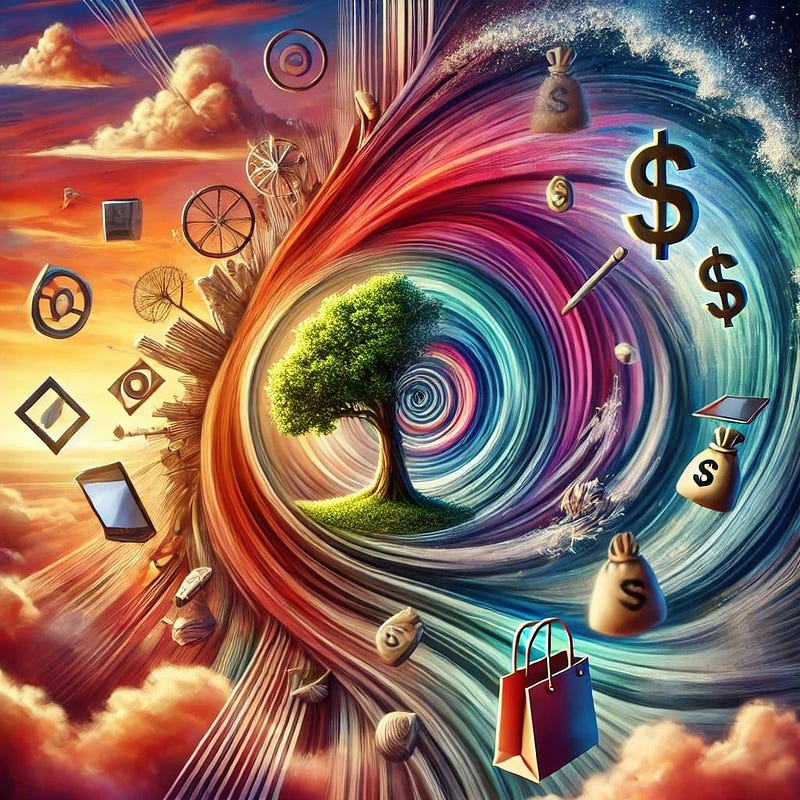
I discuss their impact and implications based on my research and personal experiences to offer a nuanced perspective.
During the recent election campaign in the US, three concepts—wokeism, tokenism, and consumerism—have appeared frequently in discussions and gained attention in social media discussions and academic research, especially in politics, economics, and culture. However, many posts, podcasts, or videos missed the nuances and interrelationships.
Although I have no interest in politics, the impact of health and well-being and the implications of these concepts have been of interest to me for a long time. I noticed that their effects on our health and well-being remained largely overlooked.
Therefore, I decided to write this discussion post and want to explore these ideas, uncover their connections, examine their profound influence on our lives, give you a new perspective, and perhaps help you understand the discussions in the press and the scientific literature.
At first glance, these somewhat esoteric terms to the public may seem like abstract concepts, but they shape how we think, interact, and navigate the world around us. They are intensely investigated in cognitive science, neuroscience, mental health studies, and global healthcare literature.
However, I will not go into scientific and technical details as they might cause more confusion. I will discuss the key points by sharing my thoughts, findings, and observations at a high level to give you a broad perspective and stir a healthy debate.
Before sharing my thoughts for a discussion, it can be useful to define these concepts, understand what they mean, and then uncover how they intertwine to impact our health and society.
Although the word “woke” originated in the 1920s, the term “wokeism” only entered dictionaries, such as the Oxford English Dictionary, in 2023. Interestingly, when spell-checking my draft today, even Grammarly flagged it as a misspelled word.
Wokeism, to me, means being aware of social injustices and actively working to address them. It aligns with my values of fairness, inclusion, diversity, and equity — principles I strive to uphold both personally and professionally.
However, despite its positive intentions, wokeism is often misrepresented or misunderstood. Critics sometimes use the term dismissively, reducing it to a catchphrase to discredit progressive ideas or activism.
Tokenism refers to superficial gestures that aim to appear inclusive but fail to create real change. These actions might leave people feeling reduced to symbols, valued for appearance rather than meaningful contributions.
Consumerism, one of the biggest challenges of our modern area, focuses on the relentless push to buy more, presenting material goods as the key to happiness. While it can lead to convenience and innovation, consumerism prioritizes profit over people’s well-being, creating overconsumption and deepening insecurities.
With these definitions in mind, let us explore how these concepts relate to one another and what that means for our health and society.
How Wokeism, Tokenism, and Consumerism Connect
From my research and analysis of what is covered in the literature, these three ideas are closely linked, shaping each other in ways that are not always obvious. Therefore, I want to highlight a few key points.
20 years ago, a paper titled “Consumerism and its discontents” in the American Psychological Association was an eye opener to me and inspired me to research the topic and also make changes in my life.
It gave me the big picture and asked a powerful question. “Compared with Americans in 1957, today we own twice as many cars per person, eat out twice as often and enjoy endless other commodities that weren’t around then — big-screen TVs, microwave ovens, SUVs, and handheld wireless devices, to name a few. But are we any happier?”
While exploring the topic, I understood that consumerism might absorb wokeism. I noticed that companies align themselves with social causes to attract buyers who care about social justice. While some efforts are genuine, others are performative, undermining the essence of wokeism.
For example, a brand might proudly display inclusive messages during a campaign but fail to take meaningful actions to support the communities it claims to represent.
Tokenism might feed into consumerism. Brands use token representation in advertisements to create an image of diversity. However, this approach is more about selling products than addressing systemic issues. For instance, a health company might feature diverse faces in its ads while doing little to make its services accessible to underserved communities.
Consumerism, in turn, can weaken wokeism.
By focusing on materialism and encouraging conformity, consumerism can distract from the broader societal changes wokeism seeks to achieve. Promoting expensive eco-friendly products, for instance, can exclude many people and create an illusion of progress rather than addressing real and more profound environmental challenges.
These interconnections reveal how these forces influence societal behaviors and values, pulling us in conflicting directions.
After this background, I want to touch on the effects of these concepts on our health and well-being.
The Impact of Wokeism, Tokenism, and Consumerism on Health and Well-Being
These concepts — wokeism, tokenism, and consumerism — shape our mental, physical, and emotional well-being in complex and profound ways.
Wokeism, when applied authentically, can offer us a sense of purpose and belonging. Participating in movements that promote fairness and equity helps us connect with like-minded communities, providing emotional support and a shared mission.
For instance, a professional advocating for workplace inclusion may find camaraderie and empowerment among colleagues who share their vision. However, tokenism can have the opposite effect, creating a sense of isolation and stress.
Imagine a female person from an ethnic group hired as a “diversity hire” in a company that fails to offer genuine support or equal opportunities. She may feel singled out and undervalued, leading to imposter syndrome or anxiety about their role, which affects her wellness.
Consumerism compounds these mental health challenges. The constant bombardment of advertisements, such as promoting unattainable beauty standards or luxury lifestyles, can reinforce insecurities.
Teenagers, for example, may experience heightened anxiety and low self-esteem from social media ads suggesting they need specific products to be attractive or accepted.
A 2022 study published in BMC’s Women’s Health on body image and social media found that such pressures disproportionately affect young women and girls, leading to mental health struggles like eating disorders.
These concepts go beyond mental health and impact our physical health, too. For example, consumerism’s emphasis on convenience undermines physical health. For example, the widespread availability of highly processed fast food directly results from consumer-driven markets prioritizing profit over nutrition.
Over the last 30 years, this has led to a rise in obesity and metabolic syndrome, leading to chronic illnesses like diabetes, heart disease, dementia, and even cancers, particularly in low-income communities where healthier options are less accessible.
Tokenism in health campaigns also leaves significant gaps.
For example, a fitness brand might feature diverse models in its advertisements but fail to address the unique health challenges faced by marginalized groups, such as the disproportionate rates of diabetes in Black and Hispanic communities.
This superficial approach to inclusion results in less effective messaging and fails to connect with those who need support the most.
Authentic wokeism can build emotional resilience by encouraging understanding and empathy. It can strengthen community relationships by creating a shared commitment to social progress.
For example, mutual support groups addressing systemic inequities — like grassroots organizations fighting for reproductive rights — help people feel heard and empowered.
On the other hand, performative wokeism and tokenism can erode trust and lead to emotional exhaustion. Vulnerable people might feel disillusioned when actions appear disingenuous or are motivated by optics rather than substance.
For instance, if a company publicly supports a mental health initiative but fails to provide adequate resources for its own employees’ well-being, this hypocrisy can deepen feelings of alienation.
Consumerism, meanwhile, subtly undermines emotional resilience by equating self-worth with material success. Constant exposure to messaging that happiness can be “bought” through the latest gadgets or fashion trends discourages self-reflection and meaningful connections.
A person might spend impulsively to feel a fleeting sense of accomplishment, only to feel empty when the novelty fades.
However, the influence of these concepts extends beyond individuals, shaping communities, environmental sustainability, and cultural norms impacting the healthcare system.
Consumerism undermines community health by shifting focus from relationships to material success. Holidays, for example, have become more about spending and gift-giving than creating genuine connections.
On the other hand, wokeism has the potential to unite communities and promote inclusion. However, polarizing debates surrounding wokeism sometimes might hinder progress and create division.
Environmental health is another area where consumerism has serious consequences. The relentless drive to produce and consume contributes to pollution and climate change, harming public health.
Single-use plastics, for example, pollute water systems, affecting communities that rely on those resources. Tokenism in environmental campaigns, such as greenwashing, compounds this issue by offering the illusion of sustainability while failing to address systemic problems.
Culturally, when wokeism is co-opted for profit, it loses its valuable potential. This can lead to public skepticism and dilute the impact of movements aimed at achieving equity and justice.
Movements that are reduced to catchy slogans or fleeting social media trends usually fail to bring about meaningful systemic change.
Recognizing and understanding the impact and implications of these dynamics can help us make informed decisions about how these forces shape our world and what we can do to encourage genuine progress.
Finding Balance in These Complex Relationships
To address the challenges posed by these concepts, we must make thoughtful choices and take intentional actions with awareness and persistence.
The most important factor is authenticity, which is a subjective term and requires customization for our needs. Critical thinking helps us question advertising messages and societal norms, prioritizing materialism over personal growth.
Supporting companies and initiatives that align their actions with their stated values ensures that our efforts contribute to real change. By reflecting on what truly serves our well-being, we can resist unnecessary pressures to conform.
Another important step is creating spaces where diverse voices are genuinely heard. Moving beyond tokenism requires valuing individuals’ contributions and ensuring that inclusion is meaningful, not superficial.
Reframing how we approach events, like holidays, purchasing homes, or getting personal items, can also make a difference. Instead of focusing on consumption, we can use these moments and items to strengthen relationships and create lasting memories.
Moreover, advocating for systemic change can address the root causes of social and environmental challenges affecting our health and well-being rather than settling for surface-level fixes.
Conclusions and Takeaways
Wokeism, tokenism, and consumerism profoundly shape our health, relationships, and communities. When approached authentically, wokeism can promote inclusion, fairness, and connection.
However, tokenism and unchecked consumerism can distract from what truly matters, creating superficial priorities and reinforcing systemic issues.
The key to progress is awareness, intention, and persistence. By recognizing how these forces operate in our lives, we can make informed choices that prioritize health, well-being, equity, and environmental sustainability.
Thank you for reading my perspectives. I wish you a healthy and happy life.
Valuable References for Further Exploration
Woke? Affect, Neoliberalism, Marginalised Identities and Consumer Culture
Tokenism and Its Long-Term Consequences: Evidence from the Literary Field
Is Wokeness One Big Power Grab?
Consumerism and Implications for Good Health and Well-Being
Consumerism and its discontents
The Negative Effects of Consumerism
Note to New Writers: Our workload is extensive, so please read our submission guidelines before submitting your first stories so that our volunteer editors can publish them on time. We have a massive backlog, and these volunteers are exhausted.
Here are the links to the updated submission guidelines: ILLUMINATION, Curated Newsletters, SYNERGY (Newsletter Booster), Technology Hits, and ILLUMINATION Book Chapters, Readers Hope.
I have created a new community initiative called Friends of ILLUMINATION, which I introduced in a story yesterday. All ethical and authentic writers are welcome to join this exciting journey.
To this end, I created a support account to be managed by volunteer editors, administrators, and Slack moderators. I also made the account a Friend of Medium to contribute to writers’ earnings. This account will be used for curation and featuring stories by Friends of ILLUMINATION. You can follow it to receive updates on Medium and Slack workspace.
Friends of ILLUMINATION Support — Medium
Read writing from Friends of ILLUMINATION Support on Medium. Curating and amplifying stories by Friends of…medium.com
I am here to help my readers, so reach out when you need support. You may take a quick taste of some of my inspiring stories in this collection. If you wish, you may subscribe to my Health and Wellness newsletter to benefit from my decades of health, science, and technology experience.
If you are a new writer on this platform, you can join my publications by sending a request via this link. I support 33K writers who contribute to my publications on this platform. You can contact me via my website. I also have another profile to write and curate tech stories.
I also authored a recent book titled Substack Mastery to guide freelance writers to write insightful content and build their audiences.
You are welcome to join the ILLUMINATION Community on Medium and Substack and our education tool, Substack Mastery, curated by ILLUMINATION-Curators.
You can join my newsletters, where I offer experience-based content on health, content strategy, and technology topics to inform and inspire my readers.
Get an email whenever Dr Mehmet Yildiz publishes. He is a top writer and editor on Medium.dr-mehmet-yildiz.medium.com


Leave a Reply