

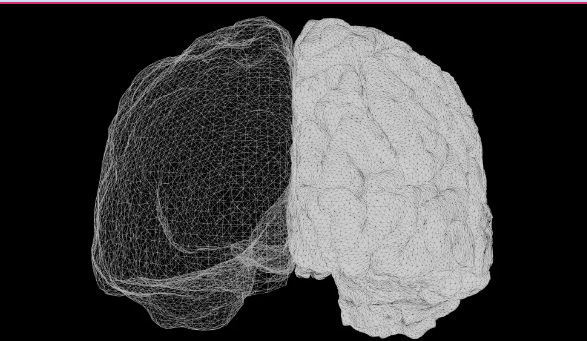
Keep Your Mind Forever Sharp! Neuroscientists say your brain can stay young forever if you master these 10 daily rewiring habits.
Summary: Neuroscientists assert that through neuroplasticity, the brain can maintain its youth and agility at any age by adopting ten daily habits. These habits include regular physical exercise, a nutritious diet rich in healthy foods, and adequate sleep, which helps rejuvenate the brain. Additionally, continuous learning and challenging oneself foster new neural connections. Practicing focused attention enhances cognitive function, while effective stress management prevents detrimental effects on memory. Together, these strategies can optimize brain health and cognitive longevity, empowering individuals to enhance their mental sharpness and overall well-being throughout life.
The term Neuroplasticity, our brain’s ability to reorganise and form new connections, which was once thought to decline steeply after childhood, in fact continues throughout life.
For you, dear reader, this means you’re never locked into a static mind. With intention and habitcraft, you can sharpen, rewire, refresh your brain at 30, 50, 70 — any age. Let’s dive into ten proven ways.
Imagine a you who wakes up each morning with the same mental agility you had in your 20s or better. Not because of some miracle pill, but because your brain has learned to stay young, curious, resilient, and rewired for growth. This is not hype. Science now tells us the brain is alive with possibilities.
Here are the top 10 tips to keep your brain sharp and improve your life:
1. Move Your Body: Fuel for Brain-Growth
Physical movement isn’t just for muscles; it’s for your mind. Exercise triggers the release of neurotrophic factors like Brain‑derived neurotrophic factor (BDNF), which help neurons grow and form new links, think of this as “brain fertiliser.” Research shows structural plasticity continues in adulthood.
How to do it
- Aim for ~150 minutes per week of moderate aerobic activity (brisk walk, swimming, cycling) + two strength sessions.
- Make movement pleasant. Choose something you’ll want to come back to.
- Reframe it: You’re not just exercising for your body; you’re nurturing your brain.
2. Eat Brilliantly: The Brain’s Fuel Matters
Your brain may only weigh ~2 % of your body weight, but consumes ~20 % of your energy. What you feed it matters. Diets rich in leafy greens, fish, nuts, olive oil (think Mediterranean or MIND diet) support healthy neural tissue. Meanwhile high sugar / processed fats can blunt BDNF, hamper learning.
How to do it
- Make half your plate veggies/greens; include a portion of fatty fish or plant-based omega-3s.
- Swap sugary snacks for nuts + berries.
- Think of each meal as a “message” to your brain: repair or rust.
3. Sleep: The Brain’s Daily Reboot
Sleep isn’t passive. While you rest, your brain is busy: clearing metabolic waste, solidifying memories, organising information. Aim for 7–9 hours a night. Maintain regular schedule, early-morning light, cool dark room. A short 20-minute nap can trigger refreshed alertness.
How to do it
- Fix your bedtime and waketime, even weekends.
- Keep electronics out of bedroom; create a calm zone.
- If stressed or busy, consider a 20-min restorative nap: a mini-reset for your brain.
4. Learn Something New: Challenge Is Growth
Your brain stays young when you continually stretch it. Novelty creates new synapses; repetition alone won’t cut it.
How to do it
- Pick one new skill: learn a language, take a musical instrument, try a new software.
- Change routines: take a new route home, reorder tasks, meet new people.
- Make it playful: enthusiasm = more brain engagement.
5. Focus & Attention: The Hidden Superpower
Even simple changes in how we focus can rewire the brain. Directed attention and mindfulness enable structural and functional changes.
How to do it
- Try 10 minutes of mindful breathing each day: notice the breath; let thoughts pass.
- Use focused work blocks: 60–90 minutes deep focus, then a short break.
- When learning something new, give it full attention rather than multitasking.
6. Stress-Smart: Don’t Let Cortisol Rule You
Chronic stress floods your brain with cortisol and can shrink areas responsible for memory & learning. But on the flip side, brief, controlled stress (exercise, novelty) can enhance resilience.
How to do it
Build recovery “bookends” into your day: five minutes of breathing, nature walk, gratitude pause. Read more….
Thank you for subscribing to my new newsletter on Substack, where I will be sharing my research and personal stories:
I’m a semantic scholar and researcher with over a decade of clinical experience, sharing real-world insights through the art of storytelling. My writing goal is to inform, educate, and inspire my readers.


Leave a Reply