

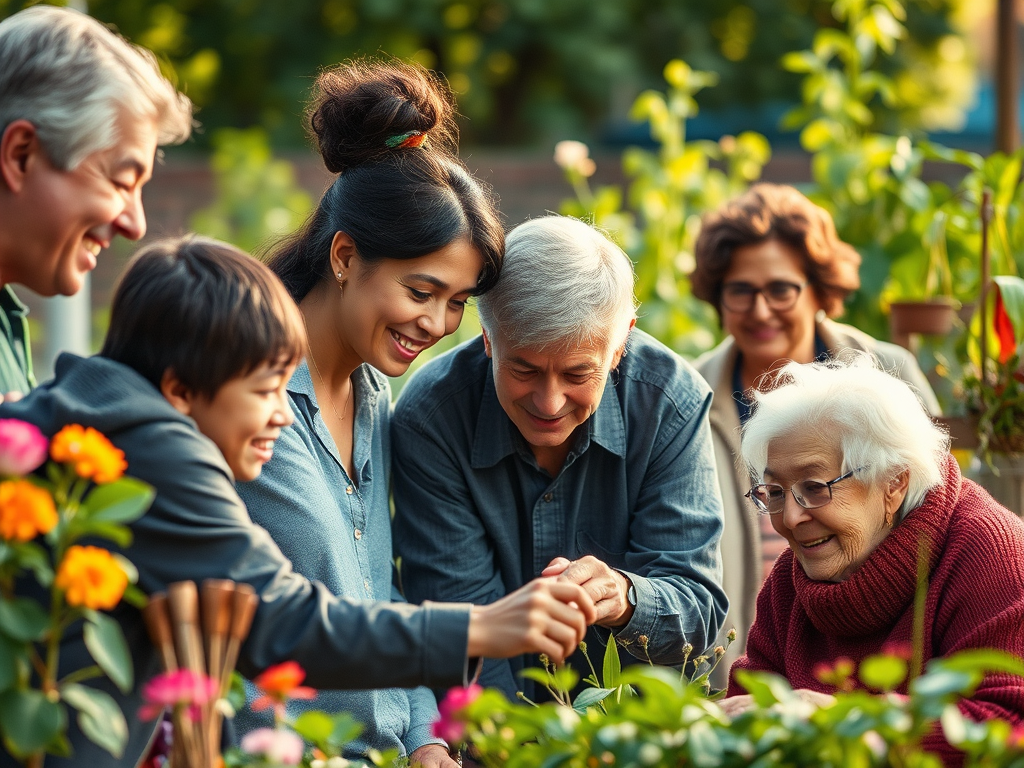
A new study found that helping others can diminish cognitive decline by 15-20%.
Curator’s Note: A recent study indicates that aiding others can reduce cognitive decline by 15-20%. Tracking over 30,000 individuals for two decades, researchers found that volunteering and providing informal support build cognitive reserve, mitigating dementia risks. Regularly helping others for 2-4 hours weekly proved most beneficial, while stopping such activities resulted in noticeable cognitive deterioration. Both formal and informal helping styles enhance brain function significantly, emphasizing that even small acts of kindness have profound health benefits. This research highlights the importance of continuous engagement in helping others to maintain brain health as we age.
This article was written by Dr Khalid Rahman for Digitalmehmet subscribers and approved by Dr Mehmet Yildiz, chief editor of ILLUMINATION Integrated publications on Medium and Substack.
A 20-year study of over 30,000 people found that volunteering and offering informal support can help build cognitive reserve, lower the risk of dementia, and protect the brain for many years.
Researchers found that simply adding a small weekly habit can help reach this goal. It costs nothing, but it can slow brain aging by almost 20%.
Helping others for just 2 to 4 hours each week can bring benefits that last for decades.
The surprising brain science behind helping people
For years, advice for brain health has focused on diet, exercise, sleep, and puzzles. These are all important.
But this new evidence adds another important factor. It’s worth considering how much time you spend helping others, not just family, but anyone in your community or beyond.
The Health and Retirement Study followed 31,303 adults aged 51 and older for more than 20 years. Researchers examined several significant components.
- They measured cognitive function by tracking scores for memory, attention, and information processing.
- They also recorded how much participants volunteered, both formally and informally, and how much they helped friends, neighbors, or relatives.
- Researchers tracked how many hours each year participants actually spent helping others.
Scientists found that when people kept up regular helping, their cognitive decline slowed over time. When they stopped helping, their decline sped up.
This study showed that kindness goes beyond a good feeling. It has real health benefits and can change the brain’s pathways as we age.
One of the best findings is that it doesn’t matter if you volunteer formally or just help others out of kindness. Either way, your brain benefits.
Who is the real winner (formal volunteering or everyday assistance)?
Formal volunteering involves helping others through an organization such as a hospital, school, NGO, or community group. These assignments generally have set hours and clear tasks.
More than 195,000 person-wave observations were collected in this latest study, and researchers found that both types of helping modes enhanced the cognitive scores of the helpers. As soon as specific participants withdrew from their helping behaviors, their cognitive scores declined rapidly.
This study challenges the idea that informal, unrecognized help has little value. In fact, its cognitive benefits are just as strong as formal volunteering.
The study suggests that helping others is a form of self-help, regularly benefiting the helper even more than the person receiving help.
The 2-4 hours sweet spot safeguards the cognitive ability.
Researchers also examined how much help people provided and found interesting results.
A little help gave a small cognitive boost, but moderate help led to bigger improvements in brain function over time.
People who helped too much ended up feeling burned out. Their cognitive benefits stopped growing, and stress took over.
The biggest cognitive benefits were seen in people who helped for 2 to 4 hours each week, or about 100 to 199 hours a year.
Within this range, participants had a 15-20% reduction in cognitive decline as they aged.
The right amount of help each week acted like a shield, protecting brain activity.
If you help too little, skip helping, rush through it, or take on too much, your cognitive abilities may decline.
This is why ceasing the help is more dangerous than you can imagine
One surprising finding was that stopping your helping activities has a bigger negative impact on mental health than your past or current level of helping.
The researchers defined role acquisition as the beginning of helping or volunteering interventions among the participants. They called role withdrawal the termination of the helping attitudes after habitual involvement in assisting interventions.
Starting to help others led to less cognitive decline and better brain function. Stopping after regular helping sessions led to a rapid decline, especially among those who had helped a lot.
Here’s a quick summary.
- When you continue to help others, you protect your brain. As soon as you stop, your mental health may decline quickly.
- That’s why it’s important to keep helping, even if you need to do a little less sometimes. Simple actions of kindness still support your mental health and brain function.
Remember, you don’t have to be the healthiest or the most privileged to help others.
Check out this educational podcast to learn more about interesting research on helping behaviors and their relationship to cognitive function.
Reference
Han SH, Burr JA, Zhang S. Helping behaviors and cognitive function in later life: The impact of dynamic role transitions and dose changes. Soc Sci Med. 2025 Oct;383:118465. Doi: 10.1016/j.socscimed.2025.118465. Epub 2025 Jul 31. PMID: 40782560; PMCID: PMC12338070.
To stay active and empowered with research-backed, evidence-based health and wellness content daily and learn its practical application in routine, don’t forget to follow my BioTuberOnline, Substack, Medium, LinkedIn, Patreon, and Blogger platforms.
As a health scientist, I would love to learn about your health and wellness experiences and insights into your encounters with ongoing or prior treatments/health support measures.
As we collaborate on this fascinating yet adventurous health and wellness journey, please share the next health topics/clinical research breakthroughs you would like me to bring to your desk.
Subscribe to my educational channel BioTuberOnline for more health and wellness updates, all backed by rigorous scientific evidence.
Stay tuned & have a wonderful day!
Truly yours,
Dr. Khalid Rahman Health Scientist | Scholarly Communicator | Licensed Integrative Medicine Practitioner PhD (Clinical Research) | MSc (Bioinformatics) | MSc (Clinical Research & Regulatory Affairs) | Post Graduate Diploma in Computer Application | Bachelor of Unani Medicine & Surgery


Leave a Reply