

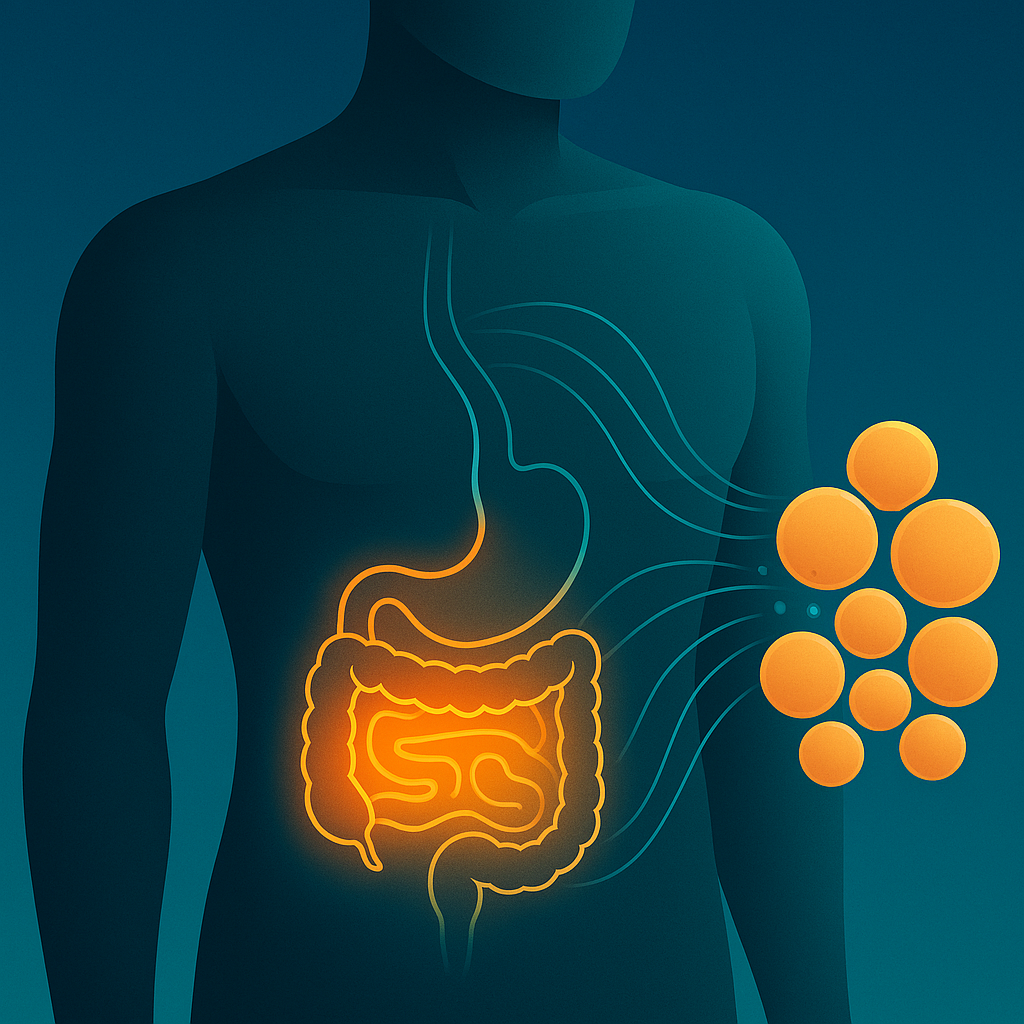
The Silent Player in Your Weight Loss Journey
Curator’s Note: The article emphasizes the critical role of gut health in weight loss and metabolism. It explains the gut microbiome’s influence on fat storage, energy extraction, and insulin sensitivity. A disturbed microbiome can lead to inflammation and disrupt hormonal balance, impacting appetite and digestion. Diet plays a significant role, as processed foods can harm gut health, while fiber-rich diets promote beneficial bacteria. Signs of gut imbalance include digestive issues, fatigue, and difficulty losing weight. To optimize gut health, the article suggests a diverse diet, hydration, stress management, exercise, and targeted supplementation. A holistic approach, considering individual physiology, is essential for effective weight management. This story was written by Dr Shive Goel.
Have you ever wondered why losing weight feels like an uphill battle, even when you’re doing everything “right”? The connection between gut health and fat storage might be the missing piece of your puzzle. You might be overlooking a silent, powerful player: your gut. The trillions of microbes living inside you — collectively known as your gut microbiome — play a surprisingly significant role in how your body stores fat. Understanding this gut health and fat storage connection can unlock new pathways to better health and sustainable weight management.

The Hidden World Within: Your Gut Microbiome
Think of your gut as a bustling city. Inside, countless tiny residents — bacteria, viruses, fungi, and other microorganisms — are hard at work. This complex community is your gut microbiome. It’s unique to you, influenced by your diet, lifestyle, genetics, and environment.
And it’s far from just a digestive aid. This internal ecosystem has a profound impact on nearly every aspect of your health, including your metabolism and, critically, your body’s tendency to store fat.
How Gut Health Impacts Metabolism
Your gut microbiome isn’t just sitting there. It’s actively involved in processing the food you eat. Here’s how it influences your metabolism:
Energy Extraction
Certain gut bacteria are incredibly efficient at extracting energy from the food you consume — even from components your own body can’t digest, like dietary fiber. This process, called fermentation, produces valuable compounds, including Short-Chain Fatty Acids (SCFAs).
While beneficial, an overgrowth of certain bacteria can lead to your body extracting more calories than it might otherwise. This directly impacts energy balance and can contribute to weight gain and fat storage.
Short-Chain Fatty Acids (SCFAs)
SCFAs like butyrate, propionate, and acetate are heroes produced by your gut microbiome. They nourish your gut lining, reduce inflammation, and even influence satiety hormones.
But their role in fat storage is nuanced. While some SCFAs can have anti-obesity effects, imbalances can alter how your body uses and stores energy. For instance, acetate can be a precursor for lipid synthesis in the liver, meaning it can contribute to fat production if not balanced.
Inflammation and Insulin Sensitivity
A disturbed gut microbiome, known as dysbiosis, often leads to increased gut permeability — sometimes called “leaky gut.” This allows bacterial toxins to escape into your bloodstream. Your body perceives these as threats, triggering a state of chronic, low-grade inflammation.
This inflammation can disrupt insulin signaling. When your cells become less responsive to insulin (insulin resistance), your body struggles to use glucose for energy. Instead, it tends to store more of it as fat. This is a critical link between your gut microbiome and fat accumulation.
Understanding Gut Health and Fat Storage: A Deeper Dive
Let’s explore the specific ways gut health and fat storage are interconnected:
Appetite Regulation
Your gut directly communicates with your brain through the gut-brain axis. This connection influences hormones that control hunger and fullness. A healthy gut microbiome can support the balanced production of hormones like leptin (which signals satiety) and ghrelin (which stimulates appetite).
When this balance is off, you might experience increased cravings or feel less full after meals. This impacts your energy intake and, over time, contributes to fat storage.
Bile Acid Metabolism
Bile acids help digest fats. Your gut microbiome plays a significant role in modifying these bile acids. These modified bile acids can then act as signaling molecules, influencing liver function and fat metabolism.
An unhealthy gut can disrupt this delicate balance, potentially leading to altered fat absorption and increased fat accumulation.
Fat Absorption
Some studies suggest that certain gut bacteria can influence how much fat your body absorbs from food. They can modulate pathways that either promote or inhibit fat absorption.
This means that even with the same diet, two people with different gut microbiome compositions might absorb different amounts of calories and fats. This highlights the personalized nature of gut health and weight management.
The Diet Connection: Feeding Your Gut
What you eat directly shapes your gut microbiome. This, in turn, influences fat storage.
The High-Fat, High-Sugar Trap
Diets rich in processed foods, unhealthy fats, and refined sugars can quickly shift your gut microbiome towards an unhealthy state. This encourages the growth of bacteria associated with inflammation and increased fat storage.
It’s a vicious cycle: bad diet hurts your gut, which makes you more prone to storing fat, which makes it harder to lose weight.
The Power of Fiber
Fiber, particularly soluble fiber, is the superhero food for your beneficial gut bacteria. They ferment it, producing those valuable SCFAs. A fiber-rich diet promotes a diverse and healthy gut microbiome.
This leads to better insulin sensitivity, reduced inflammation, and improved satiety. Incorporating plenty of fruits, vegetables, whole grains, and legumes is a cornerstone of gut-supportive eating.
Probiotics and Prebiotics
These aren’t just buzzwords. Probiotics are beneficial live bacteria found in fermented foods or supplements. Prebiotics are types of fiber that feed these good bacteria.
While not a magic bullet, strategically using probiotics and prebiotics can help rebalance your gut microbiome, potentially aiding in healthy weight management. Some specific strains have shown promise in clinical studies.
Signs Your Gut Might Be Affecting Your Weight
How do you know if your gut microbiome is playing a role in your fat storage? Look for these signs:
- Persistent Bloating and Gas: Frequent digestive discomfort can indicate an imbalance
- Irregular Bowel Movements: Both constipation and diarrhea can be red flags
- Chronic Fatigue: An unhealthy gut can impair nutrient absorption and contribute to low energy
- Skin Issues: Eczema, acne, and other skin conditions can be linked to gut inflammation
- Mood Swings or Brain Fog: The gut-brain axis is powerful; imbalances can affect mental well-being
- Difficulty Losing Weight: Despite diet and exercise efforts, stubborn fat might indicate an underlying gut issue
Recognizing these signals is the first step towards addressing your gut health challenges.

Optimizing Your Gut for Healthier Fat Storage
Ready to take control? Here’s how to nurture your gut microbiome for better health and fat management:
Embrace a Diverse, Whole-Food Diet
- Load up on fiber: Fruits, vegetables, whole grains, nuts, seeds, and legumes feed beneficial bacteria
- Include fermented foods: Kefir, yogurt (with live cultures), sauerkraut, kimchi, kombucha
- Choose lean proteins and healthy fats: Wild-caught fish, organic poultry, avocado, olive oil
- Limit processed foods, sugar, and artificial sweeteners: These harm your gut microbiome
Lifestyle Factors That Support Gut Health
- Stay Hydrated: Water is essential for proper digestion and gut function
- Manage Stress: Chronic stress negatively impacts your gut microbiome. Practice mindfulness, yoga, or meditation
- Prioritize Sleep: Lack of sleep can disrupt gut balance and metabolism. Aim for 7-9 hours
- Exercise Regularly: Physical activity promotes a more diverse and healthy gut microbiome
Consider Targeted Supplementation
Under professional guidance, consider:
- Probiotics: Specific strains may help with gut rebalancing
- Prebiotics: To feed beneficial bacteria
- Digestive Enzymes: To aid nutrient absorption
- Omega-3 Fatty Acids: For their anti-inflammatory benefits
Remember, every individual’s gut microbiome is unique. What works for one person might need adjustment for another. This is where personalized guidance becomes invaluable.
Beyond the Gut: A Holistic Approach
While your gut microbiome is a central piece of the puzzle, effective fat management and overall wellness require a holistic approach. This means addressing all interconnected systems in your body.
It involves understanding your unique genetics, hormonal balance, inflammatory markers, and nutrient deficiencies. Simply focusing on calories in vs. calories out often misses the deeper physiological factors at play. A truly effective strategy considers the whole person.
Ready to Optimize Your Gut and Transform Your Health?
Unlock Your Prime Vitality!
Are you tired of guessing games with your health? Do you suspect your gut might be holding you back from achieving your weight and wellness goals?
At Prime Vitality, we understand the intricate connection between your gut microbiome and your overall well-being, including fat storage. We don’t believe in one-size-fits-all solutions. Instead, we offer a personalized, functional medicine approach to help you understand the root causes of your health challenges.
Dr. Shiv Goel, a renowned expert in functional and aesthetic medicine, leads Prime Vitality. He specializes in identifying underlying imbalances — whether they’re in your gut microbiome, hormones, or metabolic pathways — that impact your health, longevity, and body composition.
Through advanced testing and a comprehensive understanding of your unique physiology, Dr. Goel and the Prime Vitality team can create a tailored plan designed to:
- Restore your gut microbiome balance
- Optimize your metabolism
- Address inflammation
- Support healthy fat storage
- Enhance your energy and vitality
Don’t let an unhealthy gut dictate your health and body goals any longer. Take the first step towards true wellness.
Visit Prime Vitality today to learn more and schedule your personalized consultation with Dr. Shiv Goel! Your journey to unlocking your Prime Vitality starts here.
Dr. Shiv K. Goel, MD, FACP, is a board-certified internist and functional medicine physician based in San Antonio, Texas. He is the founder of Prime Vitality, a holistic wellness center and medical spa, and the author of Healing the Split: Reconnecting Mind, Body, and Spirit in Modern Medicine. Connect with him on Medium, Substack, LinkedIn, and YouTube.
You may also check out this interview introducing Dr Shiv Goel by Dr Mehmet Yildiz on Medium


Leave a Reply