

How Should We Approach Sexual Health for a Fulfilling Life Across the Lifespan
The Neurobiology of Sexual Pleasure and Meaningful Human Connection: Scholarly Sexual Health Series: A Public Health Perspective
Curator’s Note: This scholarly and educational essay discusses the vital connection between sexual health, neurobiology, and meaningful human relationships. It highlights how humans are wired for connection, affecting emotional regulation, cognitive functions, and overall well-being, as evidenced by neurochemicals like dopamine, oxytocin, and serotonin. The essay emphasizes that intimacy and affection are biological needs rather than mere social constructs, relevant to all ages, including older adults. Loneliness and social isolation are recognized as public health issues impacting mental and physical health. The author invites readers to join ongoing conversations about sexual health and intends to expand on these themes through various platforms. This essay was written by Dr Michael Broadly, a retired health scientist and pubic health officer. Dr Boraldy is also the founder and chief editor of Health and Science publication, part of the ILLUMINATION Integrated publications on Medium and Substack.
Dear Subscribers,
Happy Weekend!
If you are a new reader or subscriber to my Sexual Health series, recently I published the first part. I titled it “Sexual Health Is a Natural Part of Healthy Aging.” I am delighted that it was well-received with positive comments. Even some seasoned medical professionals praised it on Medium.
As part of this sexual health series, in this story, I will discuss the neurobiological aspects of sexual pleasure and human connection in simple words based on personal experiences and my 53 years of service in public health.
One of the most fascinating discoveries in anthropology, sociology, psychology, and neuroscience is that human beings are not biologically designed merely to survive individually. We are also designed to connect.
The need for affection, attachment, intimacy, sex, reassurance, and social belonging is not simply cultural or emotional rhetoric. This human need is deeply woven into the architecture of the human brain. It is also observable in the animal kingdom and even in some plants.
For centuries, public conversations about sexual pleasure and attachment were reduced to morality, romance, or personal behavior. Yet neuroscience reveals something far more profound.
For example, human connection influences the nervous system, emotional regulation, cognitive function, stress responses, immune function, well-being, and life satisfaction in ways we are only beginning to understand.
In other words, intimacy and sexual relationships are not just social experiences but biological events.
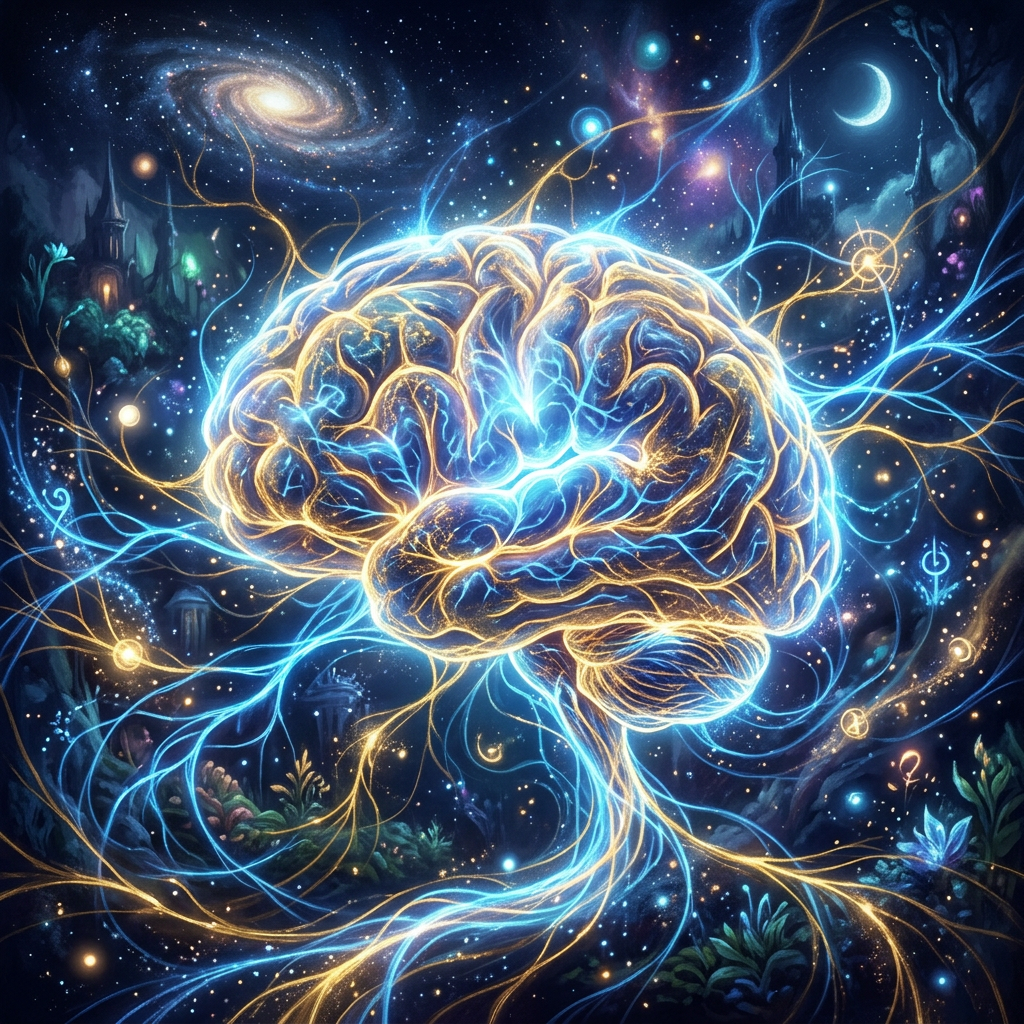
The Brain Is a Social and Most Important Sex Organ

The human brain evolved in highly social environments where cooperation, bonding, and group belonging increased the survival chances.
Isolation, uncertainty, and social rejection were historically associated with danger. However, connection, by contrast, signaled safety. This evolutionary history helps explain why emotional experiences can feel intensely physical.
Most people have experienced this intuitively, such as loneliness that feels heavy in the chest, grief that disrupts sleep and appetite, comfort from touch during distress, or the calming effect of simply being near a trusted person.
These are not imaginary reactions as they involve real neurobiological processes in the brain and the nervous system. I will touch on some neurochemicals to make my points.
People think that the penis, the vagina, or the anus are the most important sex organs, but although they are important from my perspective, the brain is the one that plays a critical role. Without the brain, those organs can’t function as desired.
Dopamine: The Brain’s Motivation and Reward Messenger
Dopamine is described in popular culture as the “pleasure chemical,” but neuroscience paints a more nuanced picture. Dopamine is heavily involved in motivation, anticipation, reward learning, novelty-seeking, and reinforcement of behavior.
Interestingly, the brain releases dopamine more strongly during anticipation than during the reward itself. This helps explain why attraction can feel exhilarating: uncertainty can sometimes intensify desire, and novelty can temporarily amplify excitement.
From an evolutionary perspective, dopamine encouraged humans to pursue rewarding experiences essential for survival and social bonding.
However, modern environments can overstimulate these systems. Social media notifications, gambling, highly processed foods, and compulsive digital engagement all interact with ancient reward circuitry in ways our brains were not originally designed to manage.
Pleasure, therefore, is not merely emotional. It is neurochemical, behavioral, and deeply tied to learning and adaptation.
Oxytocin: Bonding, Trust, and Emotional Safety
While dopamine helps drive pursuit, oxytocin helps deepen attachment. Sometimes called the “bonding hormone,” oxytocin is associated with trust, emotional closeness, nurturing behavior, affection, and social bonding.
Oxytocin is released during affectionate touch, hugging, sexual intimacy, childbirth, breastfeeding, and moments of emotional connection.
I want to stress that oxytocin is not exclusively about romance or sexuality. It is fundamentally connected to human attachment and feelings of safety.
This may help explain why supportive relationships can buffer stress and improve resilience during difficult periods of life. Human beings are neurologically formed not only to survive individually, but to connect socially.
Serotonin, Mood, and Emotional Stability
Another major neurochemical involved in well-being is serotonin.
Serotonin contributes to mood regulation, emotional stability, sleep, appetite, and overall psychological balance.
Disturbances in serotonin pathways are associated with anxiety and depressive disorders, which themselves can strongly influence intimacy, attachment, and sexual well-being.
This interconnectedness reminds us that emotional and sexual health are rarely isolated from broader mental and physical health.
The brain does not neatly separate human experiences as easily as modern culture sometimes does.
Endorphins and the Comfort of Familiar Connection
Long-term attachment involves more than excitement alone.
Over time, many relationships shift from intense novelty to emotional familiarity, comfort, and a sense of calm attachment. Endorphins appear to play an important role in this transition.
These naturally produced chemicals contribute to relaxation, emotional soothing, pain reduction, and feelings of comfort and security.
This helps explain why long-term affection feels different from early infatuation, not weaker, but neurologically different. In many cases, mature attachment brings emotional regulation and stability rather than constant intensity.
Loneliness Affects Both The Mind and The Body
Modern research increasingly suggests that chronic loneliness is not simply an unpleasant emotion. It can also affect physical health.
Persistent social isolation has been associated with elevated stress hormones, sleep disruption, increased inflammation, cardiovascular strain, anxiety, depression, and reduced overall well-being.
From a neurobiological perspective, prolonged isolation may place the nervous system in a more vigilant, stress-reactive state. This is one reason loneliness has become an important public health concern, particularly among older adults.
The brain appears to interpret sustained social disconnection as something biologically significant.
Touch, Attachment, and Emotional Regulation
Human touch is one of the most powerful forms of nonverbal communication. For instance, a reassuring hand, a warm embrace, or physical closeness during distress can influence heart rate, stress responses, and emotional state remarkably quickly.
Infants deprived of nurturing touch show measurable developmental consequences. Adults, too, continue to benefit psychologically and physiologically from safe, supportive human contact throughout life.
This does not mean that every individual requires identical forms of closeness. Human attachment styles vary considerably. But neuroscience supports the idea that healthy connection contributes meaningfully to emotional regulation and resilience.
Modern Life and the Fragmentation of Connection
One of the paradoxes of modern society is that people may be digitally connected while remaining emotionally isolated.
In these modern times, many of us now experience chronic stress, reduced sleep, social fragmentation, excessive screen exposure, and diminished face-to-face interaction.
These conditions can affect mood, attention, emotional regulation, and interpersonal relationships. In some cases, the nervous system remains in a near-constant state of stimulation without adequate emotional recovery.
Understanding the neurobiology of attachment may help explain why so many people feel simultaneously connected and disconnected in modern life.
Conclusions: Sexual Pleasure and Attachment Across the Lifespan
As an older adult myself, I have come to appreciate that these neurobiological systems do not suddenly disappear with age.
Older adults continue to experience deeply human needs for affection, emotional safety, companionship, touch, bodily closeness, sexual intimacy, and meaningful connection.
While hormones, physical health, and physiology evolve across the lifespan, the brain’s attachment systems remain profoundly relevant to well-being, emotional regulation, joy, resilience, and overall life satisfaction.
This is one reason intimacy later in life should never be dismissed as trivial, embarrassing, or inappropriate. Human connection remains closely intertwined with both psychological and physical health throughout aging.
One of the deepest misunderstandings in modern society is the belief that pleasure, affection, and emotional closeness are optional luxuries rather than biologically meaningful human needs.
In some cultural or religious traditions, sexuality has historically been framed primarily through reproduction or moral restraint. Yet neuroscience presents a far more complex and nuanced picture.
The human brain appears fundamentally influenced by relationships, attachment, trust, affection, and social belonging. From an evolutionary perspective, pleasure was not just designed for momentary gratification. It also helped reinforce behaviors associated with bonding, pair formation, caregiving, cooperation, and social stability.
In this context, sexual pleasure is not simply indulgence. It is part of a broader neurobiological system that has helped human beings form families, sustain relationships, regulate stress, and maintain emotional connection across generations.
Studies in neuroscience show that healthy attachment and supportive relationships influence far more than emotion alone. They affect stress hormones, sleep quality, cardiovascular function, immune regulation, mental health, and even longevity.
Loneliness and chronic social isolation, by contrast, are now recognized as significant public-health concerns associated with poorer health outcomes across the lifespan.
Understanding these mechanisms does not reduce human intimacy to chemistry alone. Rather, it reminds us that biology, psychology, culture, relationships, and lived experience are deeply interconnected.
When we better understand the neurobiology of sexual pleasure and attachment, we begin to see intimacy not as a superficial or shameful subject, but as part of the broader science of being human. And that understanding allows us to approach ourselves and one another with greater compassion, maturity, and wisdom.
Here is another scholarly essay I wrote on this platform: What Science Reveals About Anal Pleasure and Orgasm for Both Women and Men.
Invitation to Join Me in This Series on Sexual Health
This work in my series is intended as educational guidance and does not replace professional medical advice. I encourage readers to consider their local context and seek support from qualified professionals where appropriate.
The conversation begins here, and you are warmly welcome in it. If you are a writer, I invite you to contribute to Health and Science publication’s Sexual Health series, which will be coordinated by my editorial team and me. Here is a sample blog post that I shared recently.
I also plan to curate these stories on my Substack publication (Health & Science Research by Dr Michael Broadly) and guest blogging on the Digitalmehmet community blogs. If my time allows, I might also compile a book with the content of my series to reach a broader audience.
You can find the submission guidelines for the ILLUMINATION Integrated Publications from the following links:
ILLUMINATION, Curated Newsletters, SYNERGY (Newsletter Booster), Technology Hits, Health and Science,ILLUMINATION Book Chapters, Readers Hope, ILLUMINATION Gaming,Videos/Podcasts, Magnetic Newsletter Pro, Substack Mastery Boost, ILLUMINATION Scholar (NEW), ILLUMINATION Local News and Documentaries (NEW), ILLUMINATION Retirement, Aging, and Legacy (NEW), ILLUMINATION Philosophy and Metaphysics (NEW), ILLUMINATION for India (NEW)
Thank you for reading my stories and joining our publications.
About Me
I’m a retired healthcare scientist in my late-70s. I have several grandkids who keep me going and inspire me to write on this platform. I am also the chief editor of the Health and Science publication on Medium.com. As a giveback activity, I volunteered as an editor and content curator for Illumination publications, supporting many new writers. I will be happy to read, publish, and promote your stories. You may connect with me on LinkedIn, Twitter, and Facebook, where I share stories I read. You may subscribe to my account to get my stories in your inbox when I post. You can also find my distilled content on Substack: Health Science Research by Dr Mike Broadly.
Here is my latest curated collection: Mike’s Favorite Stories on ILLUMINATION Publications — #277


Leave a Reply