

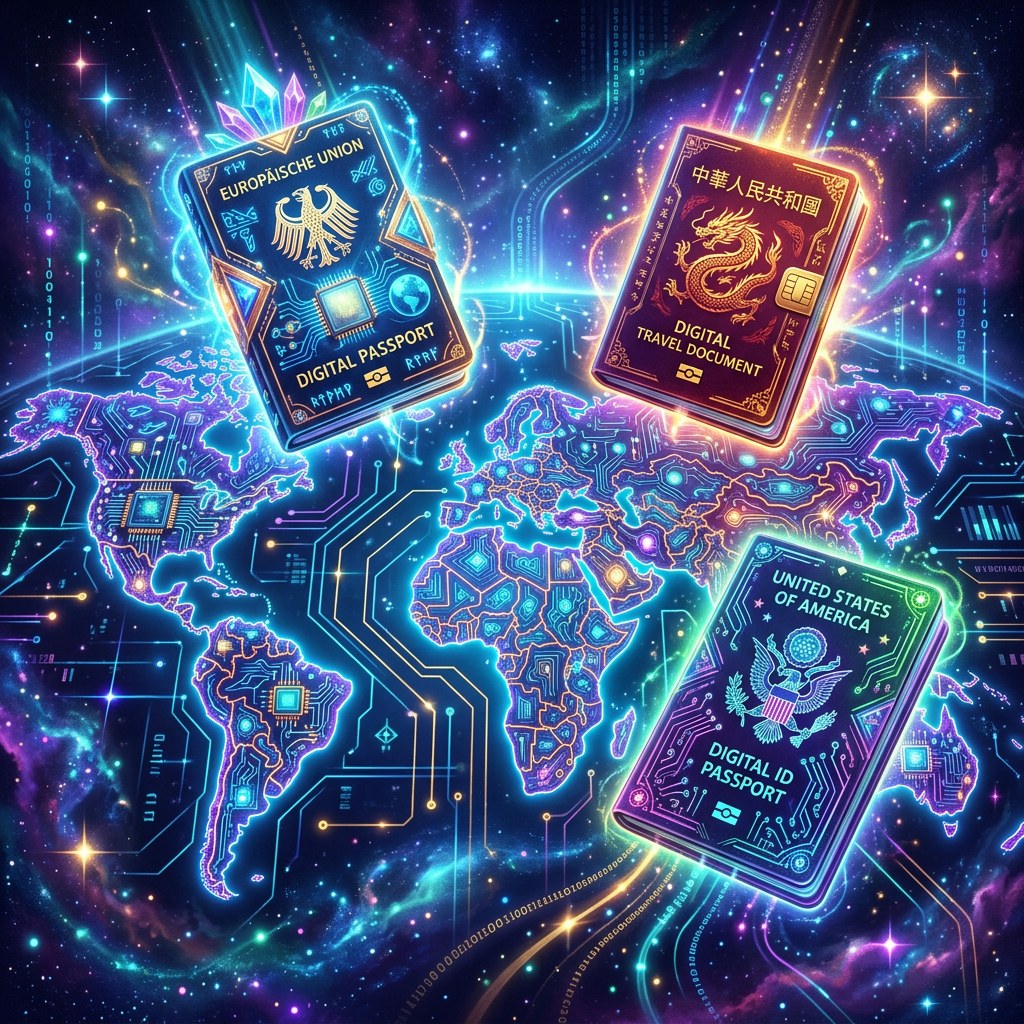
Curator’s Note: This discussion in the Digitalmehmet Content Ecosystem revolves around a piece by Dr. Michael Broadly, exploring AI’s transition from a mere software product to a strategic national asset. The recent withdrawal of access to AI models by Anthropic highlights how governments are beginning to treat AI with geopolitical significance, paralleling nuclear technology and advanced semiconductors. This shift necessitates a focus on who can access advanced AI, influenced more by political considerations than market metrics. The conversation includes implications for countries reliant on foreign technology, emphasizing governance as a new measure for technological classification and control in a rapidly evolving landscape.
You can read the full story in the following link:
Pip: Welcome to the Digitalmehmet Content Ecosystem where the big questions about technology arrive disguised as corporate news items you almost scrolled past.
Mara: Today we’re working through a piece by Dr Michael Broadly that asks whether AI is crossing a threshold from software product to strategic national asset and what that shift means for access, governance, and the countries that build nothing themselves.
Pip: Let’s start with the borders that AI is now apparently required to carry.
There’s No Such Thing as Borderless AI
Mara: The anchor here is a specific event: Anthropic withdrew access to two AI models, Fable 5 and Mythos 5, following a U.S. export-control directive. The real question isn’t what happened to those models — it’s what the episode reveals about how governments now see AI.
Pip: And the argument is that we’ve been watching the wrong story entirely. The framing is direct: “The headlines focus on Anthropic, government orders, export restrictions, and access to specific AI models. These details are certainly important, but they may not be the most significant aspect of what is unfolding before our eyes.”
Mara: What this means in practice is a category shift. AI is moving out of the commercial-software bucket and into the same strategic tier as nuclear technologies, advanced semiconductors, and cryptographic systems — things governments have always moved to control once they recognized the geopolitical weight.
Pip: So the question stops being which model scores highest on a benchmark, and starts being who gets to access advanced intelligence at all. That is a genuinely different conversation — one that belongs to diplomats as much as engineers.
Mara: The piece draws out a specific consequence for nations that import most of their technology. Australia is the example: businesses on foreign cloud platforms, researchers inside international software ecosystems, organizations running AI tools built elsewhere. Decisions made in Washington or Brussels land directly in Melbourne or Perth.
Pip: Fifty years in science-backed work earns you the right to say this plainly, and the observation lands: the internet was never really about websites, cloud computing was never really about servers, and the AI revolution is probably not really about chatbots either.
Mara: The underlying argument is that we may be in the early stages of a world where access to advanced AI is shaped by political considerations and international agreements — not just capability or price. That possibility, as the piece puts it, is far more interesting than the fate of any single AI company.
Pip: Governance as the new benchmark. That reframe is going to take a while to settle.
Mara: The through-line today is a shift in how the most consequential technologies get classified and who gets to decide.
Pip: Strategic assets need passports. Next time, we’ll see what else is crossing that border.


Leave a Reply