

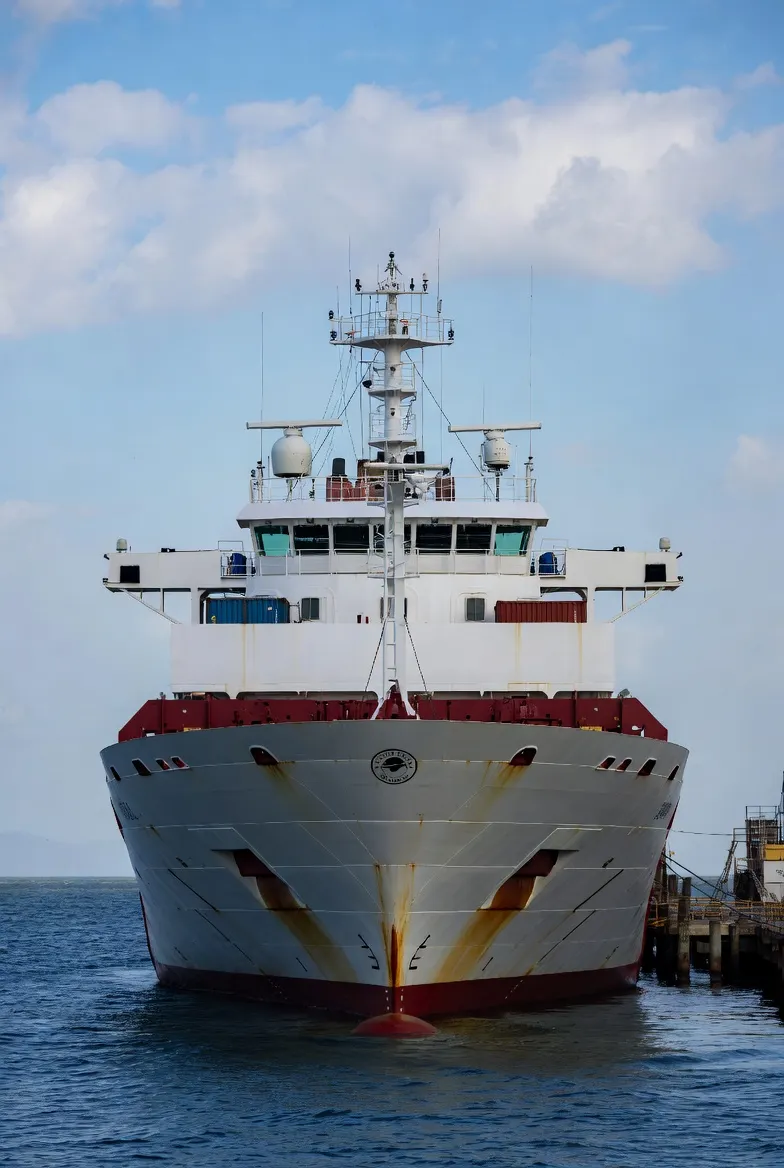
At sea, the line between a religious ritual and a maritime disaster is dangerously thin.
Curator’s Note: The narrative, written by A K Grisam, describes the tense atmosphere aboard a ship preparing to set sail, highlighting the fragile balance between routine practices and potential disasters at sea. Following a thorough inspection of the ship’s readiness, the author confronts issues of crew management and safety protocols. As the vessel departs with the assistance of tugs and a pilot, the Captain prepares for the journey ahead. However, a sudden crisis arises when a steering seaman collapses, leaving the author in shock and facing urgent decisions about the safety of the ship and crew. The story emphasizes the importance of vigilance and preparedness in maritime operations.
The Pre-Sailing Ritual
The ship’s loading was complete, and we were set to sail in the evening during high tide. I was conducting a meticulous round of the engine room, the stores, the spare rooms, and the deck. Complacency and carelessness are two shadows we must constantly outrun at sea.
When a ship arrives in port, provisions, spares, and stores are received in a flurry of activity. More often than not, the vital task of securing and lashing these items properly is postponed. It is only after the ship sails, when heavy equipment starts banging against the hull, that the crew realizes their oversight. If heavy items like Main Engine pistons or liners start shifting, the momentum can be enough to sink the vessel.
Having verified that the ship was seaworthy and safe, I was returning to my cabin when a deck seaman greeted me. I paused and asked, “Aren’t you on the 4-to-8 watch? You should be resting. The ship sails out during your shift.”
He was currently chipping and painting the deck under a relentless, blistering sun. He wiped his brow and replied, “Sir, we are on day-work until sailing. Once we are underway, our watchkeeping duties begin.” I felt this was inherently unfair and decided I would have a word with the Captain about it.
Departure into the Deep
That evening, the ship began its departure. Two or three high-powered tugs pulled the massive vessel away from the berth. A pilot stood on the bridge, instructing the tugs when to push and pull while advising the Captain on speed and steering angles. The pilot maneuvers the ship until it reaches open waters; only then do the tugs and the pilot return to port.
Every officer and crew member remains on high alert during this transition. Once the pilot disembarks, the Captain takes full charge, navigating the ship toward the next destination. He orders full speed and gives the command “Full Away,” signaling that the voyage has officially begun. Normally, the Chief Engineer informs the Captain of the fuel and lube oil stocks via telephone from the engine room at this moment.
However, on that particular day, I decided to go to the bridge to hand over the information to the Captain in person. I also wanted to invite him for a celebratory beer before dinner.
A Paralyzing Sight
As I pulled open the heavy bridge door, my blood ran cold. Directly in front of me, the seaman at the steering wheel fainted, his body sliding helplessly to the floor. As he collapsed, his weight dragged the steering wheel hard to the left.
I stood paralyzed in shock. The bridge was otherwise empty. I was forced into a split-second dilemma: Should I attend to the unconscious man? Should I seize the steering wheel? Should I shout over the public announcement system or trigger the fire alarm?
Contd…
To read the full story, see The Day Imminent Collision was Avoided
Thank you for reading my story. You can connect with me on Medium, Substack, and Amazon.


Leave a Reply