

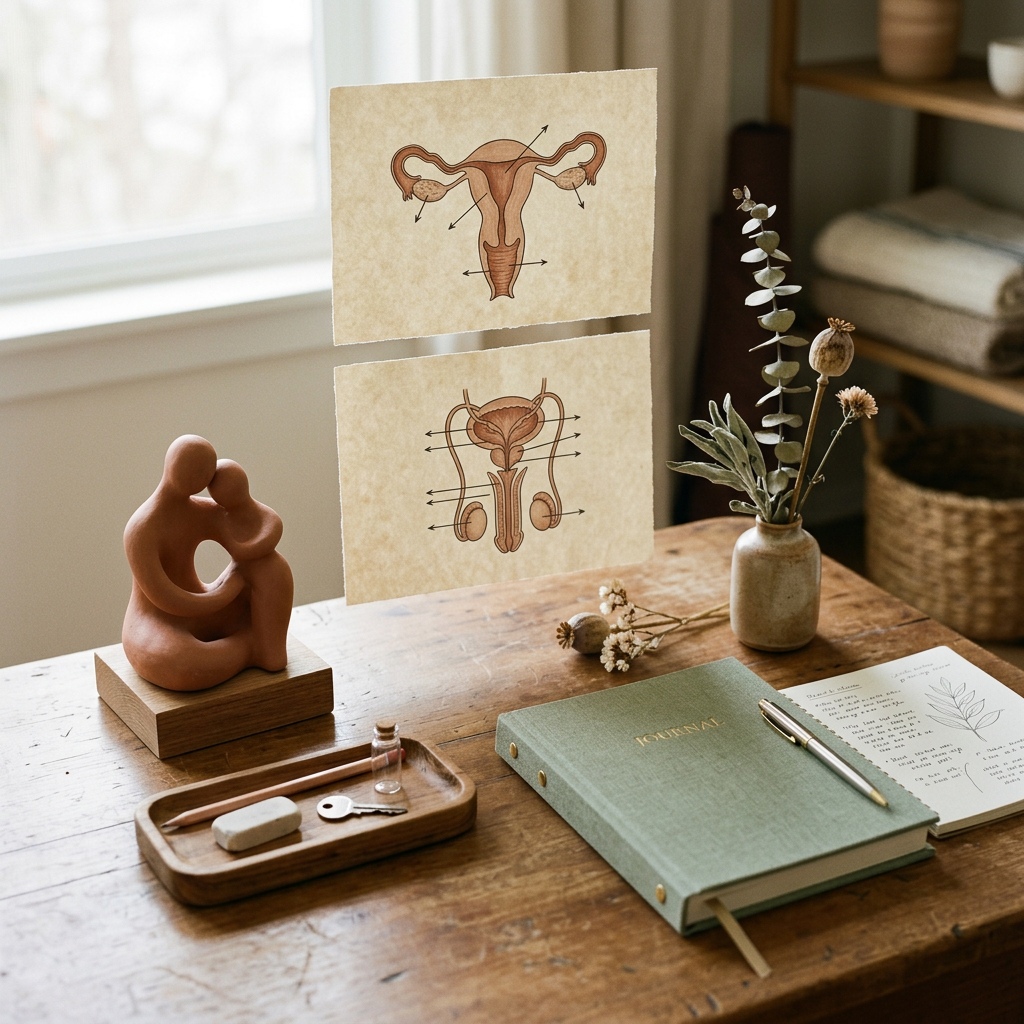
The Neurobiology of Female and Male Orgasm: Similarities, Differences, Myths, and the Human Need for Connection
Scholarly Sexual Health Series: A Public Health Perspective – What Most People Were Never Taught About Female and Male Orgasm
G’day folks, happy September!
I was away for a while and couldn’t post to our community blogs. Thank you for reaching out to me and sharing your feedback on my sexual health series stories. For new readers of my Sexual Health series, I released two parts titled “Sexual Health Is a Natural Part of Healthy Aging,” and “The Neurobiology of Sexual Pleasure and Meaningful Human Connection.”
I am pleased that these essays were well received and met with positive comments, including from seasoned medical professionals. Today, I will talk about the nuances of orgasm, both for men and women, as a vital topic that is misunderstood by some people.
One of the failures of modern sexual health education is that many people reach adulthood with remarkably little understanding of how human sexual response actually works.
Some grow up surrounded by silence. Others absorb fragmented messages from films, social media, pornography, or peers who are equally confused. Many spend years believing ordinary variation means something is wrong with them.
As a health professional, I have seen this uncertainty repeatedly across decades of clinical and educational work. I still remember a middle-aged woman once saying to me, almost apologetically, “I thought everyone else understood this except me.” She was far from alone.
Modern neuroscience shows that orgasm is not just a mechanical reflex or a simplistic “performance outcome.” It is a deeply complex interaction between the brain, nervous system, hormones, emotions, relationships, physical health, life experience, and social context.
In many ways, orgasm tells us as much about the human brain as it does about sexuality itself. As I studied orgasm scientifically, I will explain the process and implications in simple words anyone can understand. My goal is to educate and inform you with practical information from credible sources that I learned from.
What Is an Orgasm Scientifically?
From a scientific perspective, orgasm is a complex neurophysiological event involving coordinated interactions between the brain, nervous system, hormones, blood vessels, pelvic muscles, emotions, cognition, and sensory pathways.
It is characterized by intense pleasurable sensation, rhythmic muscular contractions, activation of reward pathways in the brain, release of neurochemicals associated with pleasure and bonding, and temporary shifts in consciousness, emotional state, and bodily awareness.
Yet modern neuroscience suggests that orgasm is not simply a genital reflex. It is fundamentally a brain-body experience.
During orgasm, brain regions associated with reward, emotion, memory, sensory integration, attachment, and stress regulation become highly active. Neurochemicals such as dopamine, oxytocin, serotonin, prolactin, and endorphins interact in remarkably sophisticated ways.
This helps explain why orgasm can feel not only physical, but also emotional, calming, reassuring, bonding, euphoric, or psychologically releasing.
At the same time, not all orgasms are experienced identically. Some individuals describe intense emotional closeness, while others experience primarily physical pleasure. Some experience orgasms easily and consistently; others do not. Human variation is entirely normal.
One of the harms of poor sexual-health education is that many people incorrectly assume orgasm should occur in exactly the same way for everyone. Biology and psychology suggest otherwise, as I will articulate in the next sections.
The Brain: The Most Important Sexual Organ
Some people think that the penis, the vagina, the anus, the testicles, or the breasts are the most important sex organs, but although they are important from my perspective, the brain is the one that plays a critical role. Without the brain, those organs can’t function as desired.
Popular culture treats orgasm as something occurring primarily in the genitals. Neuroscience paints a far richer picture.
Sexual pleasure involves intricate interactions between the brain, spinal cord, pelvic nerves, blood vessels, hormones, emotional memory systems, and reward pathways.
Dopamine contributes to motivation and anticipation. Oxytocin is associated with bonding and emotional closeness. Endorphins contribute to comfort and relaxation. Serotonin influences mood regulation and emotional stability.
This helps explain why stress, grief, anxiety, exhaustion, trauma, loneliness, medication, or relationship conflict can strongly affect sexual response. Human sexuality has never been purely physical.
Pleasure Is Not the Same as Performance
Modern culture often treats orgasm as a performance outcome as though sexual experiences can be measured by efficiency, frequency, or intensity. Human neurobiology is far more nuanced.
Stress, exhaustion, anxiety, grief, medications, hormonal changes, trauma, relationship tension, sleep deprivation, cardiovascular health, body image, and emotional safety can all influence orgasmic response.
This is especially important because many individuals internalize shame when their experiences do not resemble unrealistic portrayals in films, pornography, or social media. In reality, the nervous system does not function mechanically under emotional pressure.
The brain prioritizes safety before pleasure. Chronic stress hormones such as cortisol can interfere with arousal, emotional relaxation, and reward processing. In some cases, the harder people “try” to achieve orgasm, the more difficult it becomes.
Understanding this often brings profound relief to readers who feared something was inherently wrong with them.
Female Orgasm: More Variable Than Most People Realize
One of the most important lessons from modern sexual-health research is that the female orgasm is highly variable. And this variation is normal.
Women differ considerably in patterns of arousal, preferred stimulation, emotional influences, sensitivity, timing, and frequency of orgasm.
Historically, female sexual anatomy was surprisingly under-researched in mainstream medicine. Modern anatomical research increasingly highlights the central role of the clitoris and broader pelvic nerve networks in female sexual pleasure.
For many women, emotional safety, trust, relaxation, communication, and psychological comfort significantly influence sexual response. Chronic stress, body-image anxiety, unresolved relationship tension, and cultural shame can all interfere with arousal.
This is one reason many women silently internalize feelings of inadequacy when unrealistic portrayals in the social or traditional media fail to reflect real human experience. The truth is often far more compassionate than people realize.
Male Orgasm: More Complex Than Stereotypes Suggest
Men also experience significant misunderstanding and pressure surrounding orgasm. Many cultures condition men to equate masculinity with constant sexual confidence and reliable performance. Real biology is far more nuanced.
Erectile difficulties, performance anxiety, premature ejaculation, medication effects, depression, cardiovascular disease, diabetes, aging, and chronic stress can all influence male sexual response.
Importantly, orgasm and ejaculation — though closely related — are not identical neurological processes. Yet many men feel unable to discuss these issues openly. Some suffer silently for years, fearing embarrassment or judgment.
One older friend once confided to me after a difficult divorce, “People assume men always cope better with loneliness. That’s nonsense. Sometimes the silence becomes unbearable.”
His words stayed with me because they reflected something medicine increasingly recognizes: intimacy is not simply about physical release. It is deeply connected to emotional well-being, identity, reassurance, and human connection.
In younger years, as a male, sexual desire and recovery felt almost effortless to me. Aging changed that reality for me, as it does for many people. Yet I have also learned that intimacy, pleasure, affection, and emotional connection do not suddenly disappear with age. They evolve into something different, and perhaps in some ways more meaningful.
The Orgasm Gap and the Problem of Misinformation
Research consistently shows that orgasm frequency differs considerably across contexts and relationship dynamics, particularly for heterosexual women. This has become known in some research circles as the “orgasm gap.”
The reasons are complex, involving limited sexual education, poor communication, unrealistic media portrayals, anxiety, cultural shame, insufficient understanding of anatomy, and relationship dynamics.
Modern pornography has also complicated public understanding of sexuality by often portraying exaggerated, performative, or unrealistic sexual responses.
Many people silently compare themselves against fictionalized standards that do not reflect ordinary human neurobiology. This can create unnecessary shame for both women and men.
The Health and Well-being Benefits of Orgasm as Sexual Pleasure
Modern research increasingly suggests that healthy sexual expression and orgasm may influence well-being in multiple interconnected ways.
While sexuality should never be reduced to a medical prescription, studies suggest pleasurable intimacy may contribute to stress reduction, improved sleep quality, temporary pain relief, emotional bonding, reduced anxiety, improved mood, pelvic-floor engagement, cardiovascular activity, and overall quality of life
Oxytocin and endorphins released during pleasurable intimacy may help promote relaxation, emotional closeness, and temporary calming of the nervous system.
Some people also report feeling emotionally lighter, mentally clearer, or more connected after positive intimate experiences.
Importantly, these benefits are not limited exclusively to partnered relationships. Self-directed sexual well-being, including masturbation, may also provide stress relief, bodily autonomy, relaxation, and emotional comfort for some individuals.
This is particularly relevant for widowed individuals, people living alone, those with disabilities or chronic illness, LGBTQ+ individuals facing isolation, or older adults navigating loneliness later in life.
In public health discussions, these realities are often overlooked despite their relevance to emotional well-being.
Why Some People Struggle With Orgasm
One of the most misunderstood aspects of sexual health is that difficulty reaching orgasm is relatively common.
For women, contributing factors may include anxiety, depression, insufficient stimulation, hormonal changes, cultural shame, trauma history, medication effects, relationship stress, chronic pain, or inadequate sexual education.
Men may experience difficulties related to performance anxiety, depression, cardiovascular disease, medication side effects, chronic stress, decreasing testosterone, or fear of intimacy and rejection.
Some antidepressants, antihypertensive medications, sedatives, and chronic disease treatments are also known to affect sexual function.
Importantly, these difficulties are medical or psychological issues, not moral failings or signs of inadequacy. Many people suffer silently because sexual difficulties remain difficult to discuss openly.
As a health professional, I believe compassionate education can reduce far more suffering than many people realize.
Emotional Safety and Attachment Matter More Than Most People Realize
One of the strongest themes emerging from neuroscience is that emotional context strongly shapes sexual experience.
For many people, particularly those who have experienced stress, trauma, grief, anxiety, or relationship difficulties, the nervous system may remain in a heightened protective state.
The brain does not easily prioritize pleasure when it perceives emotional danger or chronic stress. This is why trust, communication, emotional safety, affection, and reassurance often influence intimacy as profoundly as physical stimulation itself.
Healthy attachment supports emotional regulation. In many cases, emotional closeness itself becomes part of the neurobiology of sexual pleasure and functional orgasm.
Aging, Loneliness, and Sexual Well-being
One of the most overlooked aspects of sexual health is that intimacy needs do not disappear with age. Older adults continue to experience needs for affection, companionship, emotional closeness, touch, reassurance, and sexual expression.
Yet widowhood, divorce, illness, disability, caregiving responsibilities, and social isolation can profoundly affect opportunities for intimacy.
Many older adults fear being judged for remaining sexual beings later in life. As someone now older myself, I believe this silence causes unnecessary suffering. Human attachment systems do not suddenly switch off at retirement age.
Sex Toys, Autonomy, and Therapeutic Sexual Well-being
One topic seldom discussed maturely in public health conversations is the role of sexual aids and devices. Sadly, they are taboo and even illegal in some countries.
Unfortunately, these products are typically portrayed as either embarrassing curiosities or crude commercial novelties. In reality, some individuals use them for reasons far more connected to well-being than popular stereotypes suggest.
For certain people, including widowed individuals, people living alone, disabled individuals, those recovering from illness, or people experiencing long-term absence of intimacy, sexual devices may provide comfort, stress relief, bodily autonomy, improved sleep, pelvic-floor engagement, or emotional reassurance through self-directed intimacy.
In some clinical settings, sexual aids are also discussed therapeutically in relation to pelvic rehabilitation, menopausal discomfort, erectile rehabilitation after prostate surgery, and sexual recovery after illness or trauma.
This subject deserves maturity rather than ridicule. One elderly woman I once encountered during community health education remarked, “People think loneliness and sexual desire disappear with age. It doesn’t.” Her statement captured something deeply human.
Not every person seeks partnered intimacy. Not every individual has equal opportunities for relationships. Yet the nervous system’s need for comfort, soothing, pleasure, affection, and bodily connection often remains remarkably resilient throughout life.
Understanding this through a neurobiological and public-health lens allows us to replace shame with compassion.
LGBTQ+ Experiences and the Importance of Inclusion
Many LGBTQ+ individuals grew up during periods where silence, stigma, or misunderstanding shaped their experiences of intimacy and identity.
Unfortunately, it happened to many of my peers in the 1960s, but fortunately, Australia has made. In other countries, some still encounter barriers in healthcare settings where their needs are poorly understood or overlooked entirely.
Inclusive sexual-health education matters because human neurobiology does not suddenly become less valid because of sexual orientation or gender diversity.
Gay, lesbian, bisexual, and transgender individuals experience the same fundamental attachment systems involving affection, bonding, pleasure, loneliness, grief, emotional safety, and human connection.
At its best, public health should recognize human diversity without judgment while supporting dignity, well-being, and evidence-based care for everyone.
A Broader Public Health Perspective
One of the most important lessons emerging from modern sexual-health research is that healthy sexuality is deeply interconnected with overall human well-being.
Sexual health is not separate from mental health, cardiovascular health, sleep, relationships, aging, emotional resilience, or quality of life. Nor should pleasure automatically be viewed through the lens of shame or triviality.
Throughout human evolution, attachment, affection, bonding, intimacy, and pleasure likely helped reinforce social connection, caregiving, cooperation, and emotional resilience.
When approached respectfully and responsibly, discussions about orgasm are not merely conversations about sex. They are conversations about neuroscience, emotional well-being, human attachment, loneliness, aging, relationships, and the profoundly human need for connection.
Cultural and Traditional Perspectives on Pleasure and Connection
Long before modern neuroscience began mapping dopamine pathways or studying attachment hormones, many cultures had already developed philosophical traditions exploring intimacy, pleasure, emotional connection, and human bonding.
Among the most widely recognized are Tantric traditions originating in parts of South Asia, which historically viewed sexuality not merely as physical release but as part of a broader interaction among body, mind, attention, energy, emotional presence, and human connection.
In contemporary popular culture, Tantra is oversimplified or commercialized. Yet traditional approaches emphasized elements that modern psychology and neuroscience increasingly recognize as relevant to well-being, mindfulness, emotional awareness, breath regulation, bodily presence, trust, relaxation, and attentiveness to connection rather than performance.
While not all traditional claims surrounding Tantra or other historical sexual philosophies are scientifically validated, some themes overlap intriguingly with modern research on stress regulation, nervous-system calming, attachment, and emotional intimacy.
For example, mindfulness-based approaches have been studied for their potential influence on anxiety reduction, body awareness, emotional regulation, and sexual well-being in some individuals.
This does not mean ancient traditions should replace evidence-based medicine. Rather, it reminds us that human beings across cultures have long recognized that intimacy involves far more than biology alone.
Sexual experience is shaped not only by anatomy and hormones, but also by attention, emotional safety, self-awareness, culture, spirituality, relationships, and the human search for connection and meaning.
One of the most valuable lessons from both modern neuroscience and historical traditions is that intimacy becomes healthiest when approached with presence, respect, communication, empathy, and mutual care rather than pressure, shame, or performance anxiety.
Final Reflections with Key Messages
From my perspective, one of the most compassionate lessons from modern neuroscience is that sexual response is not a rigid performance test.
Sexual response is a deeply individual interaction between biology, psychology, relationships, health, culture, memory, emotional safety, and the profoundly human need for connection.
Some people experience sexuality through partnership. Others through affection, companionship, self-directed intimacy, or emotional closeness later in life after loss, illness, or loneliness.
Human variation is not a failure. When we better understand the neurobiology of orgasm and attachment, we begin to replace shame with understanding, judgment with empathy, and silence with informed conversation. And that is a form of healing modern health education can offer.
Sample Stories from My Sexual Health Series
Sexual Health Is a Natural Part of Healthy Aging
What Most People Were Never Taught About Female and Male Orgasm
When Your Libido Says “Come Here” and Your Partner Says “Not Tonight”
Why Good People Sometimes Cheat on Their Partners
The Loneliness–Libido Connection for Men and Women
The Neurobiology of Sexual Pleasure and Meaningful Human Connection.
What Most People Were Never Taught About Sexual Confidence
Neurocognitive and Affective Differences Between Erotic and Pornographic Stimuli in the Brain [Warning: This one is scholarly!]
What Science Reveals About Anal Pleasure and Orgasm for Both Women and Men [Free access via my community blogs and it went viral]
Why Do We Fantasize About People We Would Never Sleep With?
Invitation to Join Me in This Series on Sexual Health
This work in my series is intended as educational guidance and does not replace professional medical advice. I encourage readers to consider their local context and seek support from qualified professionals where appropriate.
The conversation begins here, and you are warmly welcome in it. If you are a writer, I invite you to contribute to Health and Science publication’s Sexual Health series, which will be coordinated by my editorial team and me. Here is a sample blog post that I shared recently.
I also plan to curate these stories on my Substack publication (Health & Science Research by Dr Michael Broadly) and guest blogging on the Digitalmehmet community blogs. If my time allows, I might also compile a book with the content of my series to reach a broader audience.
You can find the submission guidelines for the ILLUMINATION Integrated Publications from the following links:
ILLUMINATION, Curated Newsletters, SYNERGY (Newsletter Booster), Technology Hits, Health and Science,ILLUMINATION Book Chapters, Readers Hope, ILLUMINATION Gaming,Videos/Podcasts, Magnetic Newsletter Pro, Substack Mastery Boost, ILLUMINATION Scholar (NEW), ILLUMINATION Local News and Documentaries (NEW), ILLUMINATION Retirement, Aging, and Legacy (NEW), ILLUMINATION Philosophy and Metaphysics (NEW), ILLUMINATION for India (NEW)
Thank you for reading my stories and joining our publications.
About Me
I’m a retired healthcare scientist in my late-70s. I have several grandkids who keep me going and inspire me to write on this platform. I am also the chief editor of the Health and Science publication on Medium.com. As a giveback activity, I volunteered as an editor and content curator for Illumination publications, supporting many new writers. I will be happy to read, publish, and promote your stories. You may connect with me on LinkedIn, Twitter, and Facebook, where I share stories I read. You may subscribe to my account to get my stories in your inbox when I post. You can also find my distilled content on Substack: Health Science Research by Dr Mike Broadly.
Here is my latest curated collection: Mike’s Favorite Stories on ILLUMINATION Publications — #277


Leave a Reply