

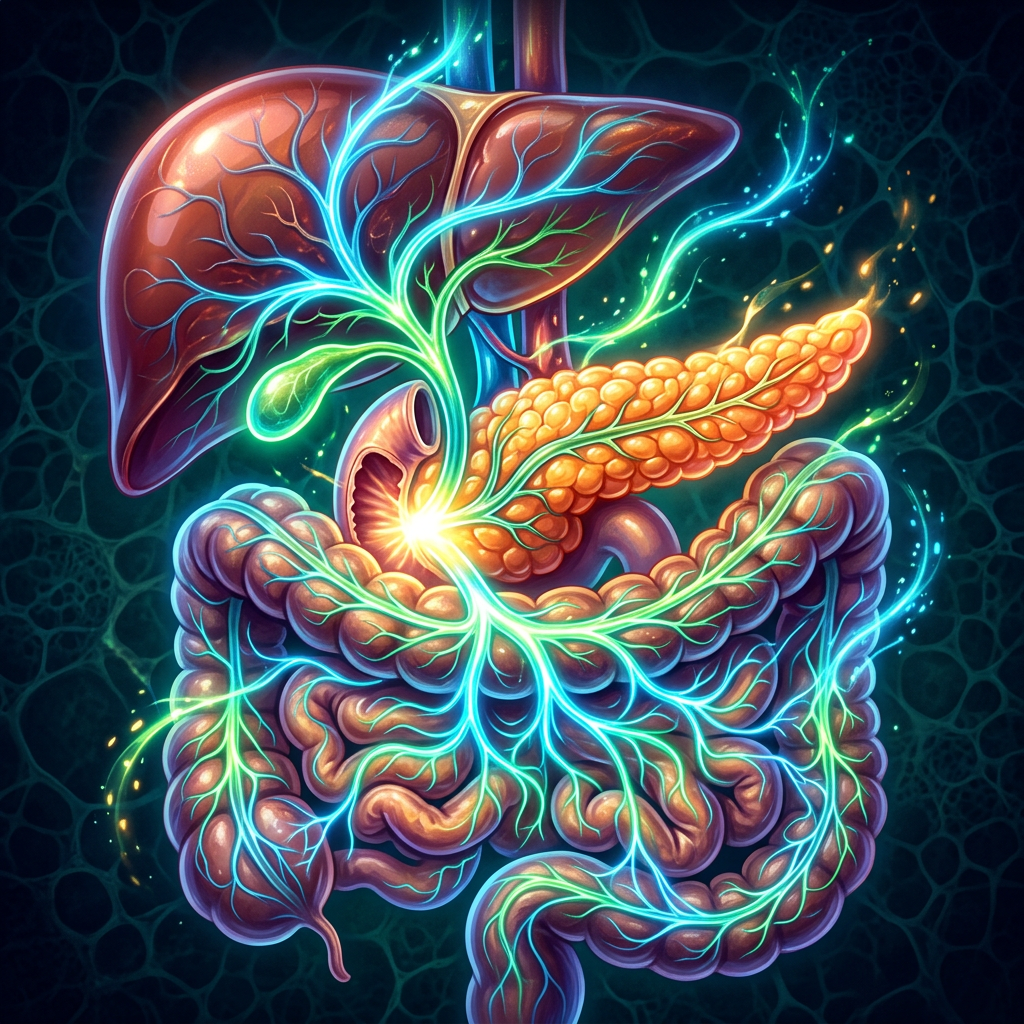
Leveraging the findings of a Recent Clinical Trial on HTD1801 Combined with Metformin I Share My Research and Perspectives, Giving New Hope for More Effective Treatment of Type 2 Diabetes in the Near Feature
Curator’s Note: A recent Phase III clinical trial on the investigational drug HTD1801, combined with metformin, shows promise for improving Type 2 diabetes management. Despite patients taking metformin, many struggled with blood glucose control, prompting the investigation into HTD1801, derived from berberine and ursodeoxycholic acid. Results revealed an average HbA1c reduction of 1.2 percentage points compared to 0.7 points with a placebo, indicating HTD1801’s effectiveness. The medication also exhibited a favorable safety profile, primarily causing mild diarrhea. This represents a shift in understanding metabolic disease, highlighting the need for multi-system therapeutic approaches rather than solely focusing on glucose levels. This educational, insightful, and scholarly essay was written by Dr Mehmet Yildiz.
The Remarkable Science Behind Berberine’s Most Advanced Pharmaceutical Cousin, powered by Ursodeoxycholic Acid
Dear Subscribers,
In this important healthcare essay, I want to give you an update on a clinical trial and provide some educational context for the ingredients used in this study. A recently published Phase III clinical trial has generated considerable interest within the medical community. As Metformin has been extensively documented in the literature, I will exclude it from this story and focus on HTD1801, which requires more details.
For personal and professional reasons, I have written extensively about Type 2 diabetes and follow the research closely. It remains one of the world’s most challenging chronic metabolic disorders. Despite remarkable advances over the past two decades, millions of people continue to struggle with achieving good blood glucose control, even while taking established medications such as metformin.
Researchers, therefore, continue to search for treatments that address not only elevated blood sugar but also the underlying biological disturbances that drive metabolic disease.
Published in the New England Journal of Medicine in June 2026, the study evaluated an investigational oral medication, HTD1801, when added to metformin therapy in adults with inadequately controlled diabetes.
The results demonstrated statistically significant improvements in long-term blood glucose control while maintaining an acceptable overall safety profile.
Although the U.S. Food and Drug Administration has not yet approved HTD1801, its encouraging Phase III results, together with the FDA’s Fast Track designation, have positioned it as one of the more promising investigational therapies currently being developed for metabolic disease.
What makes this medication particularly fascinating is that it originated from a molecule many readers may already recognize: berberine.
For decades, berberine has attracted scientific attention because of its ability to improve glucose metabolism, influence lipid levels, reduce inflammation, and alter the composition of the gut microbiome.
Like many people, when reversing my pre-diabetes and abdominal obesity decades ago, I also used berberine as an over-the-counter dietary supplement, though quality, absorption, and clinical effectiveness vary considerably. Since then, medical technologies and pharmacologies have advanced.
For example, rather than simply placing berberine into another capsule, medicinal chemists took a far more sophisticated approach. They chemically linked berberine with ursodeoxycholic acid, a naturally occurring bile acid widely used for certain liver disorders.
The result is HTD1801, also known as berberine ursodeoxycholate, a first-in-class investigational drug designed specifically to address multiple biological pathways involved in metabolic disease.
This approach reflects an important shift in modern medicine. Instead of treating elevated blood sugar as an isolated problem, researchers recognize that insulin resistance, chronic inflammation, liver dysfunction, altered gut microbiota, abnormal lipid metabolism, and impaired cellular energy production interact in a continuous manner.
Effective therapies of the future will likely need to influence several of these systems simultaneously rather than focusing on only one. Now, let me explain this new clinical trial giving hope to type II diabetic patients.
The Phase III Clinical Trial Explained
The recently published Phase III clinical trial was designed to answer a straightforward but clinically important question. Could HTD1801 provide additional benefits for people with type 2 diabetes who were already taking metformin but still struggled to achieve satisfactory blood glucose control?
To answer this question, researchers conducted a randomized, double-blind, placebo-controlled study involving 549 adults with type 2 diabetes.
All participants had maintained stable metformin therapy for at least eight weeks before entering the trial, yet their glycated hemoglobin (HbA1c) levels remained between 7.0% and 10.5%, indicating that their diabetes was not adequately controlled.
Participants were randomly assigned to receive either HTD1801 twice daily alongside metformin or a placebo in addition to their existing treatment. Neither the participants nor the investigators knew who received the active medication until the study concluded, reducing the likelihood of bias.
The primary outcome was the change in HbA1c over 24 weeks. HbA1c is one of the most valuable biomarkers in diabetes management because it reflects average blood glucose levels over approximately 3 months rather than a single measurement taken on a single day.
Improvements in HbA1c are associated with a lower risk of many long-term complications, including damage to the eyes, kidneys, nerves, heart, and blood vessels.
The findings were encouraging. Participants receiving HTD1801 reduced their average HbA1c from 8.6% to 7.4%, representing a decline of 1.2 percentage points. Those receiving a placebo while continuing metformin also improved, as is not uncommon in well-conducted clinical trials, because participants become more attentive to medication adherence and lifestyle habits.
However, their average reduction was only 0.7 percentage points. The additional 0.5% reduction achieved with HTD1801 was statistically highly significant, suggesting that the improvement was unlikely to have occurred by chance.
Equally important was the medication’s safety profile. Severe hypoglycemia did not occur, an encouraging finding because dangerously low blood glucose remains one of the greatest concerns with several diabetes therapies.
The most common side effect was diarrhea, affecting nearly one-quarter of participants receiving HTD1801. Fortunately, almost all cases were mild to moderate, with only 3 severe cases reported during the 24-week study period.
Although longer follow-up studies are still needed, these results suggest that HTD1801 may eventually become a valuable option for patients who continue to experience inadequate glucose control despite taking metformin.
The study also highlights a broader trend in diabetes research: future therapies may improve outcomes by targeting multiple biological processes simultaneously rather than focusing exclusively on lowering blood glucose.
Why Berberine Has Fascinated Scientists for Years
Long before HTD1801 entered clinical development, scientists had been investigating one of its key ingredients, berberine. This naturally occurring alkaloid is found in several medicinal plants, including species of Berberis, and has been used in traditional medicine for centuries.
Modern biomedical research has gradually revealed that many of its historical applications may have plausible biological explanations. One reason berberine attracts so much scientific interest is its remarkable ability to modulate multiple metabolic pathways simultaneously.
Unlike medications that act on a single receptor or enzyme, berberine appears to affect multiple interconnected systems involved in glucose regulation, lipid metabolism, inflammation, and cellular energy production.
Such broad biological activity makes it particularly interesting in complex disorders such as type 2 diabetes, where many metabolic pathways become disrupted simultaneously.
One of berberine’s best-studied actions involves activating AMP-activated protein kinase (AMPK). It is a critical point, as AMPK is the body’s metabolic master switch, continuously monitoring cellular energy availability.
When activated, AMPK promotes more efficient energy production, improves insulin sensitivity, reduces hepatic glucose production, and increases glucose uptake in skeletal muscle. These coordinated effects help restore a healthier metabolic balance rather than simply forcing blood glucose downward.
Researchers have also discovered that berberine influences the gut microbiome, the diverse community of microorganisms that inhabits the digestive tract.
Growing evidence suggests that these microbes play important roles in regulating inflammation, immune function, nutrient metabolism, and insulin sensitivity.
By encouraging a healthier microbial environment, berberine may indirectly improve metabolic regulation through mechanisms that scientists are only beginning to understand.
Despite these promising properties, conventional berberine has important limitations. It is poorly absorbed after oral administration, resulting in variable blood concentrations among individuals.
As a dietary supplement, purity and dosage may vary substantially among manufacturers. These challenges have limited its development as a reliable pharmaceutical treatment despite decades of promising laboratory and clinical research.
These limitations inspired medicinal chemists to ask an important question. Instead of trying to improve berberine on its own, could they redesign the molecule to enhance its therapeutic potential? HTD1801 represents one sophisticated answer to that question.
Why Add Ursodeoxycholic Acid?
The second component of HTD1801 is ursodeoxycholic acid, abbreviated as UDCA. Although less familiar to the general public than berberine, UDCA has been used in clinical medicine for many years to treat selected liver and biliary disorders. Physicians value it for its ability to protect liver cells, improve bile flow, and reduce liver inflammation.
Combining UDCA with berberine was not simply a chemical experiment. The goal was to create a single molecular entity capable of influencing several biological systems that contribute to metabolic disease. Type 2 diabetes goes beyond blood glucose.
For example, many patients simultaneously develop fatty liver disease, chronic low-grade inflammation, abnormal lipid metabolism, and impaired communication between the intestine and the liver. These conditions frequently reinforce one another, accelerating disease progression.
One of HTD1801’s most intriguing mechanisms involves inhibition of the NLRP3 inflammasome. This protein complex functions as an important component of the innate immune system and helps coordinate inflammatory responses.
As I pointed out in my previous stories, while acute inflammation protects us against infection and injury, chronic activation of the NLRP3 inflammasome can cause insulin resistance, obesity, fatty liver disease, and numerous cardiometabolic disorders.
By dampening this inflammatory pathway, HTD1801 may address one of the biological drivers underlying metabolic dysfunction rather than simply treating its symptoms.
Researchers are also increasingly interested in the gut-liver axis, the complex network of communication linking intestinal microbes, bile acids, immune cells, and liver metabolism.
Disturbances within this system can contribute to chronic inflammation, impaired insulin sensitivity, and accumulation of fat within the liver.
As HTD1801 combines the metabolic actions of berberine with the liver-protective properties of UDCA, it appears particularly well suited to influence this interconnected biological network.
This systems-based approach reflects a growing appreciation that successful treatment of metabolic disease requires more than controlling blood sugar.
Improving liver function, reducing inflammation, supporting healthier gut microbial communities, and restoring metabolic flexibility may together produce greater long-term benefits than addressing any one pathway in isolation.
A Multi-System Therapy Rather Than a Glucose Drug
The most exciting aspect of HTD1801 may not be its ability to lower HbA1c, although that alone represents an important clinical achievement. Its broader significance lies in illustrating the future direction of metabolic medicine.
For many years, diabetes therapies were evaluated primarily by their ability to reduce blood glucose concentrations. While this remains an essential therapeutic goal, clinicians increasingly recognize that type 2 diabetes is only one manifestation of a much larger metabolic syndrome affecting multiple organs simultaneously.
The liver, pancreas, skeletal muscle, adipose tissue, kidneys, cardiovascular system, immune system, and gut microbiome all participate in this intricate biological network.
Clinical studies conducted to date suggest that HTD1801 may improve several of these systems. Investigators have reported reductions in fasting glucose, improvements in lipid profiles, decreases in liver injury biomarkers, reductions in liver fat accumulation, and modest effects on body weight.
Although additional studies are needed to confirm many of these observations, they suggest that the medication may influence the broader metabolic environment rather than targeting glucose regulation alone.
This broader perspective aligns with the emerging concept of cardiovascular-kidney-metabolic medicine.
Rather than viewing diabetes, obesity, fatty liver disease, chronic kidney disease, and cardiovascular disease as isolated disorders, researchers recognize that they share common biological mechanisms, including insulin resistance, chronic inflammation, oxidative stress, mitochondrial dysfunction, and altered energy metabolism.
Treatments capable of improving several of these pathways simultaneously may yield benefits that extend beyond blood sugar control alone.
HTD1801 represents more than another diabetes medication under development. It illustrates an important evolution in pharmaceutical science toward therapies designed to restore metabolic homeostasis across multiple interconnected organ systems.
What This Means for Type II Diabetic Patients Today
The Phase III findings provide genuine reasons for optimism, but they should also be interpreted with appropriate scientific caution.
Although the results are encouraging, HTD1801 remains an investigational medication until regulatory agencies complete their comprehensive evaluation of its efficacy, safety, manufacturing quality, and long-term clinical benefits.
Patients should therefore avoid viewing HTD1801 as a replacement for established diabetes management. Healthy nutrition, regular physical activity, restful sleep, stress management, weight control, and appropriate medical supervision remain the cornerstones of successful treatment.
Even the most effective medications work best when combined with healthy lifestyle habits that improve insulin sensitivity and metabolic health.
The study nevertheless offers an encouraging glimpse into the future of diabetes care. Instead of relying exclusively on medications that lower blood glucose through a single mechanism, future therapies may simultaneously target inflammation, liver function, mitochondrial energy production, gut microbial balance, and cellular metabolism. Such an integrated strategy better reflects the biological complexity of type 2 diabetes.
From my perspective, the greatest lesson from this research extends beyond HTD1801. Modern medicine is gradually moving away from treating diseases as isolated abnormalities and toward understanding them as disturbances within complex biological networks.
The success of future therapies may depend on understanding how existing biological pathways interact and how multiple mechanisms can be addressed together, rather than discovering entirely new molecules.
For researchers, clinicians, and the millions of people living with type 2 diabetes, that may be the most hopeful message of all.
I want to leave you with this important story I published on Medium in 2023:
Here’s Why and How Type II Diabetes Is Preventable and Reversible: The new generation of scientists and clinicians brings hope to chronic disorders once believed to be non-curable.
Thank you for reading my perspectives. I wish you a healthy and happy life.
Cited Reference: HTD1801 in Combination with Metformin for Type 2 Diabetes — NEJM. HTD1801 (berberine ursodeoxycholate) is an investigational oral drug developed by HighTide Therapeutics. ClinicalTrials.gov number, NCT06353347.
[End of story]
Updates on My Creative Work with Relevant Links
I am pleased that my new health and wellness books, What the Brain Needs, Why We Fail, and How We Can Fix It, Ketosis + BDNF: The Healing Molecules That Saved My Life, Cellular Intelligence, Feel Better, Live Smarter, Thrive Anywhere, How I Accelerated My Learning Effortlessly for a Happier Life, Healthspan Mastery, The Science & Wisdom of Graceful Aging, and the Subconsious book, were published and are now available in many bookstores, as part of my Health, Wellness, and Cognitive Performance Series.
You can check out my FEATURED series of 60+ books on Amazon markets:
Some of my books are published at Apple Stores, Smashwords, Vivlio, Kobo, Barnes & Noble, BooksaMillion, Fable, Bookshop.org, or my discount bookstore.
If you are a writer, you are welcome to join my publications by sending a request via this link. I support 42K writers who contribute to my publications on this platform. Check out the recent update for the writers of my publications.
You can contact me via my website. If you are a new writer, check out my writing list to find some helpful stories for your education. You can also join my author platform as a guest blogger.
I interviewed several new professionals and thought leaders. You can find them linked to the end of the latest one.
I invite you to subscribe to my publications on Substack, where I offer experience-based and original content on health, content strategy, book authoring, and technology topics you can’t find online to inform and inspire my readers.
Healthspan Mastery (NEW)
Get an email whenever Dr. Mehmet Yildiz publishes. He is a top writer and editor on Medium.
dr-mehmet-yildiz.medium.com
Check out Free Blog Posts by Digitalmehmet Contributors. Here is the link to my FREE personal blogs. Now you can read our blog posts via a Flipboard Magazine for convenience.
I invite you to explore some of my books on my discount bookstore including: Train Your Brain for a Healthier and Happier Life, Cortisol Clarity, Substack Mastery Version 2, The Zen of Book Authoring, Monetize Your Passion with WooCommerce, Agile Business Architecture for Digital Transformation V2, Agile Business Architecture for Digital Transformation (Audiobook), A Powerful Toolkit for Substack Newsletter Mastery, Smart and Ethical SEO, Modern Affiliate Marketing for Writers, 4 Pillars of Enterprise Architecture, and Smart Email Marketing Content Integration, The Mysterious Leadership Mind of Robert F. Kennedy Jr.,


Leave a Reply