

Returning to the Main Fleet
Curator’s Note: After a period on an offshore vessel, the author returned to the Main Fleet due to a mismatch in preferences and culture. The offshore environment was marked by inflated egos among all crew members, creating a possessive atmosphere. After leaving, the superintendent contacted the author to discuss rejoining, having replaced controversial chief engineers. The author expressed concerns about the offshore crew’s ignorance of vital safety regulations and their complacency regarding inspections. Despite the superintendent’s reassurances about safety routines, the author remained skeptical. Ultimately, the encounter rekindled thoughts about returning to offshore work due to an unexpected incident.. This story was written by A. K. Grisam, a retired maritime engineer. You can learn about his background from this recent interview on Medium.
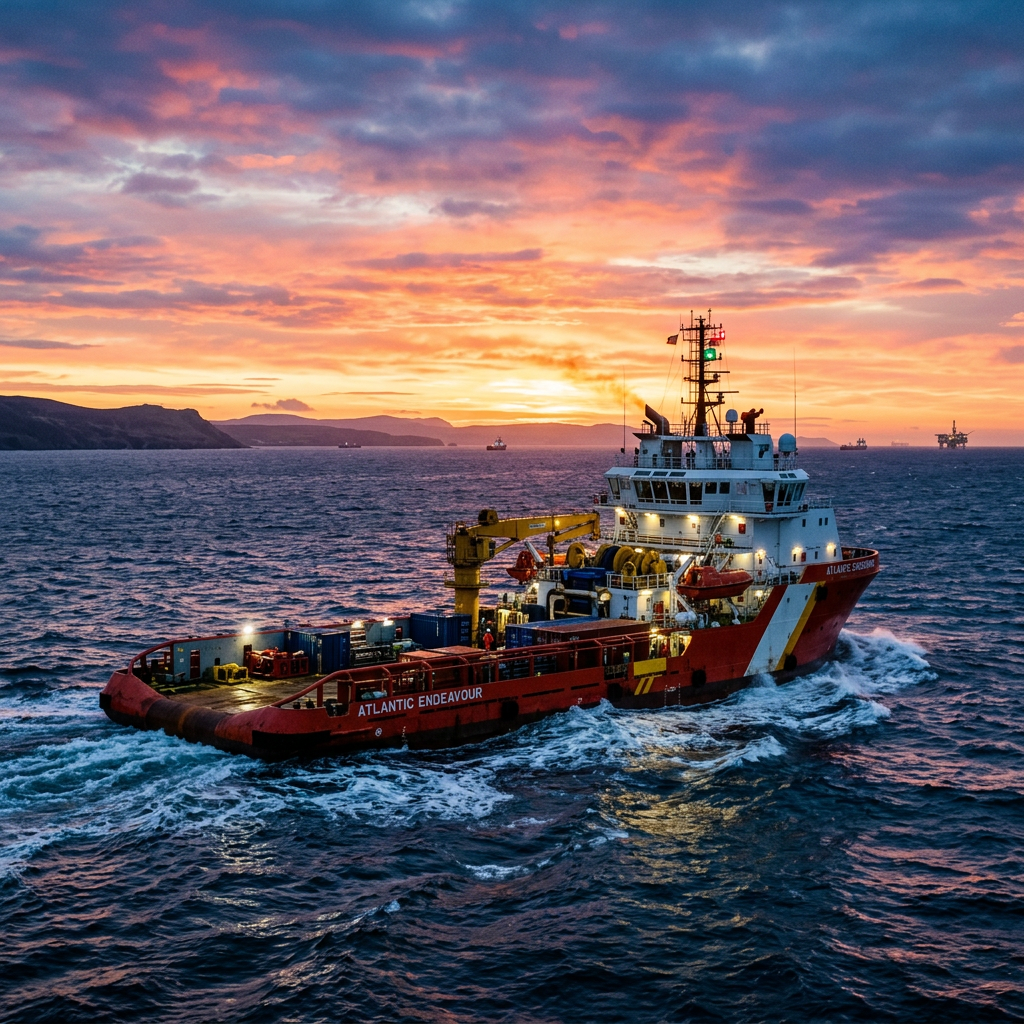
After my stint on an offshore vessel, I concluded that it was simply not my cup of tea and decided to return to the Main Fleet.
While the egos of the Main Fleet captains and chief engineers were massive, in OSVs the ego percolated down even to the houseboys.
Since the entire staff had served for several years — and a few had even launched their careers on that vessel with the intention to retire on it — there existed a possessiveness and a strong sense of ownership.
An Unexpected Call from the Superintendent
A month after I signed off, the superintendent who had been present in the Engine Control Room (ECR) during a near-miss collision in Singapore called me.
He said, “Chief, I was waiting for your call. When are you joining the ship?”
I replied, “I am sorry; I was just about to call you. Offshore is not my cup of tea. I plan to return to the Main Fleet.”
He reacted sharply with excitement, “Wait a minute. I sacked two chief engineers just to accommodate you.”
I responded, “With due respect, you replaced the first chief engineer because he was indifferent and sailed the ship from China to Singapore without fire alarms, with a dysfunctional CO2 system, and without a working communication system — even the bridge-to-ECR telephone was dead. The other Chief Engineer was replaced because he was overly egoistic, picked fights with the captain, and triggered blackouts near oil rigs. I had nothing to do with those decisions.”
The superintendent laughed and said, “Now, everything is streamlined and fully functional. Why don’t you rejoin us?”
I hesitated before asking, “Can I be completely frank? You might not like my reason.”
He urged, “Go ahead.”
I explained, “Your staff is like frogs in a well. They are blissfully oblivious to the latest rules and regulations of SOLAS (Safety of Life at Sea) and the ISM Code, as well as the hefty fines and potential prison sentences for non-compliance.”
“They believe only massive Main Fleet ships are targeted and that they remain completely safe. The ship is totally unprepared for a Port State Control (PSC) inspection. I have no desire to occupy the chief engineer’s post when that happens.”
He protested, “We carry out Saturday safety routines and log them diligently. We are compliant.”
I countered, “No. Inspectors will not take your word or your logbook entries at face value. They demand tangible proof like photographs, and they will conduct physical drills to test the crew’s competence. I can motivate and train an enthusiastic crew, but not an overconfident and indifferent one. Regardless, I thank you for allowing me to serve on your ship; I learned many new things.”
A Chance Encounter
An incident subsequently occurred that lured me back toward the offshore sector.
To read the full story, see A Crown Transformed
Thank you for reading my story. You can connect with me on Medium, Substack, and Amazon.


Leave a Reply