

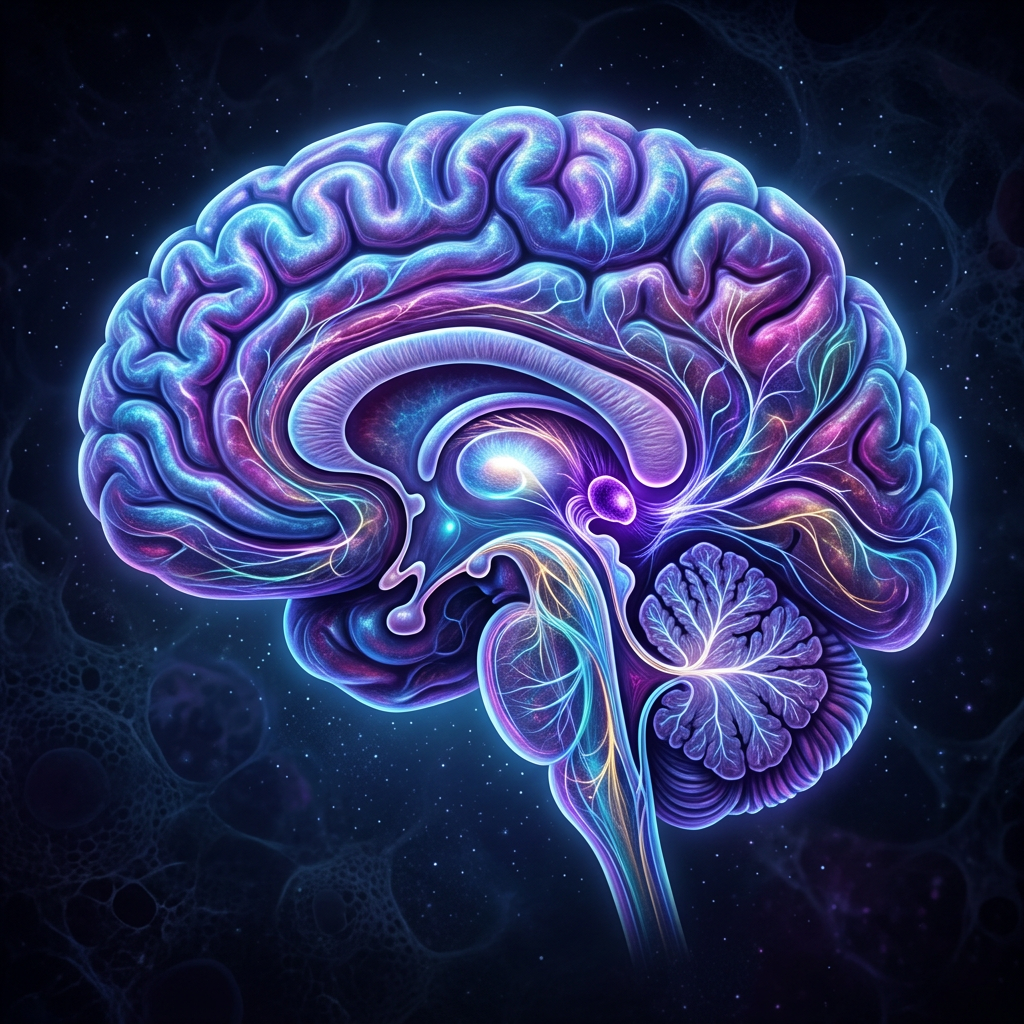
The little-known brain structure that helps us learn from disappointment, respond to threats, and understand addiction, emotional distress, and motivation.
This post is a short summary of a book chapter titled Why the Brain Has an Anti-Reward Center and How Understanding It Can Help Us: A Scholarly Yet Accessible Discussion on Understanding the Role of the Habenula in Disappointment, Pain, Social Threat, and Addiction. It is published on Medium.com.
Why Does Disappointment Sometimes Hurt More Than We Expect?
Have you ever spent weeks preparing for something important, only to receive disappointing news? Perhaps you applied for a promising job, submitted a manuscript to a publisher, or trusted someone who eventually let you down. You knew setbacks were possible, but the experience still affected your mood, motivation, and confidence.
Sometimes, the disappointment passes quickly. We reconsider our expectations, learn something useful, and continue with our lives. On other occasions, an unfavorable experience stays with us for days or weeks, making us reluctant to try again.
As a cognitive scientist, I find this difference fascinating. Our brains have remarkable systems for recognizing rewards, experiencing pleasure, and motivating us to pursue meaningful goals. However, they also have systems that help us recognize disappointment, detect unfavorable outcomes, and reconsider our behavior.
One particularly interesting structure involved in these processes is the habenula, a tiny part of the brain that has attracted growing scientific attention over the past two decades.
Researchers sometimes describe part of this structure as the brain’s anti-reward center. Although the description is useful for introducing the subject, recent studies show that its functions are much more sophisticated.
Understanding this small structure can give us a different perspective on mental health, emotional resilience, addiction, and the way we respond to life’s inevitable setbacks.
1. Meet the Habenula: A Small Structure With Important Responsibilities
The habenula is a small, paired structure located deep within the brain, in an area called the epithalamus. It connects with networks involved in motivation, emotional regulation, learning, and the chemical signaling systems that influence our behavior.
Scientists have known about its anatomy for a long time. However, advances in neuroscience have allowed researchers to investigate its functions in much greater detail, particularly since the mid-2010s.
The habenula contains two main divisions, known as the lateral habenula (LHb) and medial habenula (MHb). Although they sit close together, their neural connections and functions differ.
The lateral habenula helps the brain evaluate experiences, particularly when outcomes are unfavorable or different from expectations. It interacts with neural systems involving dopamine and serotonin, two chemical messengers associated with motivation, mood, and behavioral regulation.
The medial habenula has a particularly interesting relationship with aversion, nicotine dependence, and withdrawal. Its connections with another structure, called the interpeduncular nucleus, help researchers understand why unpleasant sensations can influence addictive behavior.
Neither division operates independently. They participate in larger networks involving the brainstem, limbic system, and other regions that coordinate our responses to internal and external events.
A useful way to think about the habenula is as part of the brain’s biological evaluation system. It contributes information that helps us decide which experiences deserve further pursuit and which might require caution or behavioral adjustment.
2. Why Our Brains Need Disappointment
We usually regard disappointment as something undesirable. However, imagine what life would be like if our brains never registered an unfavorable outcome.
We might repeatedly make the same mistakes, approach dangerous situations without caution, or continue investing effort in activities that consistently produce harmful results.
From an evolutionary perspective, recognizing negative outcomes is essential for survival. Organisms need mechanisms that help them learn when an expected benefit fails to appear or when an experience carries an unexpected cost.
The lateral habenula contributes to this process through mechanisms associated with what neuroscientists call reward prediction error. In simple terms, the brain compares what we expected with what actually happened.
Suppose you expect to receive a reward after completing a task, but the reward never arrives. Certain neurons in the lateral habenula may become more active, influencing circuits that regulate dopamine neuron activity.
This signaling can help the brain revise its expectations and reconsider the value of repeating the behavior.
However, the habenula does not simply suppress pleasure. Research published in Cell Reports in 2024 showed that different lateral habenula circuits participate in evaluating both favorable and unfavorable experiences.
This distinction matters because our brains do not operate through a simple competition between pleasure and punishment. They continuously evaluate information, expectations, uncertainty, and changing circumstances.
For mental health, the important lesson is that disappointment can provide useful information. Experiencing an unfavorable outcome does not automatically mean something has gone wrong with our brain.
The problem may arise when negative expectations become persistent, excessive, or disconnected from present circumstances.
3. What Happens When Negative Expectations Take Over?
Consider someone who has experienced repeated professional rejection. Initially, each setback may encourage useful reflection and better preparation.
However, after several disappointments, the person might begin believing that future efforts are pointless. Even promising opportunities may no longer seem attractive.
This example illustrates how learning from negative experiences can sometimes develop into broader patterns of avoidance or discouragement.
Scientists have investigated the lateral habenula because experimental studies in animals have associated changes in its activity with reduced motivation, stress-related behavior, and depression-like responses.
Some studies have found that increased activity in particular habenular circuits can contribute to behavioral withdrawal and reduced responsiveness to rewarding experiences.
These findings are scientifically significant, but we must distinguish animal experiments from human clinical evidence.
A 2025 systematic review in Molecular Psychiatry examined 50 human studies involving the habenula and mood disorders. The researchers found that evidence for consistently increased resting habenular activity in human depression remains mixed.
This is an important reminder that depression cannot be explained by a single brain structure or one chemical messenger.
Mental health involves interactions among biology, personal experiences, physical health, relationships, and environmental circumstances.
Nevertheless, the habenula provides a promising research direction for understanding how negative experiences influence motivation and mood.
For everyday life, we can draw a practical distinction between learning from disappointment and allowing disappointment to become a permanent expectation.
One unsuccessful experience provides information about an event. It does not necessarily predict the outcome of every future attempt.
4. The Surprising Connection Between Addiction and Avoiding Discomfort
When discussing addiction, people frequently focus on dopamine and the pursuit of pleasure.
However, addiction is more complicated. Repeated substance use can involve changes in reward processing, learned habits, stress responses, and the desire to escape unpleasant withdrawal symptoms.
This is where the medial habenula becomes particularly interesting.
Research involving nicotine has shown that the medial habenula and its connections with the interpeduncular nucleus participate in aversion and withdrawal responses.
At higher doses, nicotine can produce unpleasant effects that discourage further consumption. Certain receptors within this neural pathway help regulate those aversive responses.
After dependence develops, withdrawal can produce uncomfortable physical and emotional symptoms. Avoiding these symptoms may become one reason a person continues using nicotine.
Consequently, the motivation to use an addictive substance is not always the desire to experience pleasure. Sometimes, it involves seeking temporary relief from discomfort.
This distinction can help us understand why stopping an addictive behavior may be difficult even when someone recognizes its harmful consequences.
It also explains why effective addiction treatment often requires more than advice about willpower or motivation.
However, the strongest evidence concerning the medial habenula involves nicotine. We should not assume that the same mechanisms operate identically across alcohol, opioids, stimulants, and behavioral addictions.
The broader lesson is that addiction involves interacting systems of reward, aversion, learning, and physiological adaptation.
5. What Do Pain, Poor Sleep, and Social Stress Have in Common?
One of the most intriguing aspects of recent habenula research is its relationship with experiences that initially appear unrelated.
Physical pain, disturbed sleep, and social stress can all influence our emotional wellbeing. They also interact with neural systems involved in motivation, aversion, and behavioral adjustment.
For example, persistent pain can make everyday activities less enjoyable and reduce motivation. Poor sleep can increase emotional reactivity and pain sensitivity. Repeated social stress can affect mood, attention, and sleep quality.
Researchers have found evidence that habenular circuits participate in some of these interactions.
Studies involving the lateral habenula suggest contributions to the unpleasant emotional aspects of pain and certain responses to prolonged stress.
Other experiments have identified neurons within the lateral habenula that participate in regulating rapid eye movement, or REM, sleep.
A 2024 animal study also investigated how cholinergic neurons in the medial habenula influence increased pain sensitivity following sleep deprivation.
These discoveries are valuable because they illustrate how interconnected our brain functions are.
A neural circuit associated with motivation may also participate in sleep regulation or pain-related behavior. The brain does not separate these experiences into completely independent compartments.
Nevertheless, most of the strongest causal findings come from animal research. We cannot yet conclude that ordinary sleep difficulties, social rejection, or chronic pain in humans are caused by habenular dysfunction.
For practical brain health, the evidence reinforces a familiar but important principle: sleep, stress, physical health, and emotional wellbeing influence one another.
Addressing persistent sleep problems, seeking appropriate care for chronic pain, and maintaining supportive relationships can improve quality of life through several established mechanisms.
6. What Can We Learn From the Habenula to Improve Our Mental Health?
Understanding the habenula does not give us a technique for switching off disappointment or eliminating unpleasant emotions.
Nor does current research justify claims that a particular supplement, diet, meditation practice, or exercise routine can specifically reset this structure.
However, neuroscience can help us develop a more constructive understanding of emotional experiences.
First, we can recognize that disappointment often contains information. Instead of treating every setback as a personal failure, we can examine what happened, identify what was within our control, and consider what might be improved.
Second, we can distinguish temporary emotional reactions from lasting conclusions about ourselves. Feeling discouraged after rejection is understandable. Concluding that every future opportunity will end in rejection is a different judgment that deserves examination.
Third, we can appreciate the importance of recovery. Persistent stress and inadequate sleep can make emotional regulation more difficult. Protecting sleep, maintaining physical activity, and obtaining appropriate psychological support can help us manage challenging periods.
Fourth, we can develop greater compassion for people experiencing depression or addiction. Their difficulties cannot be reduced to weak character, insufficient motivation, or a simple imbalance of one brain chemical.
Finally, we can remember that our nervous system evolved to help us survive and adapt. The same mechanisms that make unpleasant experiences memorable may also help us recognize danger, learn from mistakes, and make better decisions.
These practical lessons are supported by broader psychological and health research. They should not be mistaken for interventions proven to act directly on the habenula.
Conclusions and Key Takeaways
The habenula is a fascinating example of how a tiny brain structure can participate in important aspects of human behavior. Its connections with motivational and emotional systems help scientists investigate disappointment, aversion, addiction, pain, and sleep-related processes.
The lateral habenula contributes to evaluating outcomes and adjusting behavior when experiences differ from expectations. The medial habenula plays a particularly important role in nicotine aversion and withdrawal. Both structures participate in larger neural networks whose functions are still being investigated.
Recent research has expanded our knowledge considerably, but many questions remain unanswered, especially concerning the translation of animal findings into human mental health care.
Perhaps the most useful lesson is that our brains need mechanisms for recognizing unfavorable experiences as much as they need systems for experiencing reward.
Disappointment can teach us something valuable. Pain can encourage protective behavior. Unpleasant emotional signals can alert us to circumstances that deserve attention.
However, these signals do not always provide a complete or accurate interpretation of our circumstances. We still need reflection, judgment, and emotional regulation to decide how to respond.
A healthy brain does not need to eliminate every negative experience. It needs the capacity to learn from those experiences without becoming permanently trapped by them.
Understanding the habenula gives us another scientific perspective on that essential human capacity.
Prominent Scientific References
If you are interested in the underlying neurobiology, the following peer-reviewed studies and reviews provide further explanations of habenular anatomy, motivation, depression, addiction, pain, and sleep.
- Groos, D., & Helmchen, F. (2024). The lateral habenula: A hub for value-guided behavior. Cell Reports, 43, 113968.
- Cameron, S., Weston-Green, K., & Newell, K. A. (2024). The disappointment centre of the brain gets exciting: A systematic review of habenula dysfunction in depression. Translational Psychiatry, 14, 499.
- Fortin, J.-S., Lafleur, M., Parisien, C., & Hétu, S. (2025). The habenula in mood disorders: A systematic review of human studies. Molecular Psychiatry, 30, 4948–4970.
- Understanding the habenula: A major node in circuits regulating emotion and motivation. Pharmacological Research (2023).
- Nicotine addiction: More than just dopamine. Current Opinion in Neurobiology (2023).
- Lateral habenula and its potential roles in pain and related behaviors. ACS Chemical Neuroscience (2022).
- Modulating the pronociceptive effect of sleep deprivation: A possible role for cholinergic neurons in the medial habenula. Neuroscience Bulletin (2024).
- A potentiation of REM sleep-active neurons in the lateral habenula may be responsible for the sleep disturbance in depression. Current Biology (2024).
- Deep brain stimulation of habenula reduces depressive symptoms and modulates brain activities in treatment-resistant depression. Nature Mental Health (2024).
Further reading: This introductory article draws on a more detailed chapter from my brain health book, where I examine the lateral and medial habenula, their neurochemical connections, and the emerging clinical evidence in greater depth.
Biographical and Access Info to the book: What the Brain Needs, Why We Fail, and How We Can Fix It — ISBNs: 9798276279022, 9780466889074, 9798276281018, ASINs: B0G47G81NH, B0FS2XCHHS, B0G65JDZRW, B0HG9T7XWD, GKEYs: 2cOaEQAAQBAJ, , AQAAAEDqLFpsoM — Official Page. I also uploaded it to my discount bookstore as a combo of an ebook PDF and the audio files as MP3s, which are downloadable after completing the transaction.

Practical Wisdom for Brain Health, Learning, Happiness, and Fulfillment
Revised Edition
by Dr Mehmet Yildiz
I wrote many stories related to the brain, and I linked the key ones as a reference:
Here’s How to Make the Nervous System More Flexible and Functional
Here’s How I Train My Brain Daily for Mental Clarity and Intellectual Productivity.
If you are a new reader, you may check out some of my thematic story collections:
Collection 1: Nutrition and Customized Diets
Collection 2: Valuable Nutrients and Supplements
Collection 3: Brain Health and Cognitive Function
Collection 4: Fasting, Ketosis, Autophagy, Mitophagy
Collection 5: Weight Loss / Muscle Gain
Collection 6: Ketosis and Ketogenic Lifestyle
Collection 7: Major Health Conditions
Collection 8: Clinical Trials I Reviewed
Collection 9: Importance of Sleep for Health
Collection 10: Aging and Longevity
Collection 11: Writing, Content Development & Marketing Strategy Guides
Collection 12: My Most Loved Stories By Avid Readers
Thank you for reading my perspectives. I wish you a healthy and happy life.
[End of the Chapter]
You can check out my FEATURED series of 70+ books on Amazon marketplaces:
I also added my catalog of digital and audiobooks from Google to a collection that can be accessed easily:
Digital and Audiobooks by Dr Mehmet Yildiz on Google Play — The Digitalmehmet Content Ecosystem
50+ Digital and Audiobooks links by Dr Mehmet Yildiz on Google Play and Google Books for easy access. Other platform…digitalmehmet.com
If you are a writer, you are welcome to join my publications by sending a request via this link. I support 43K writers who contribute to my publications on this platform. Check out the recent update for the writers of my publications.


Leave a Reply